
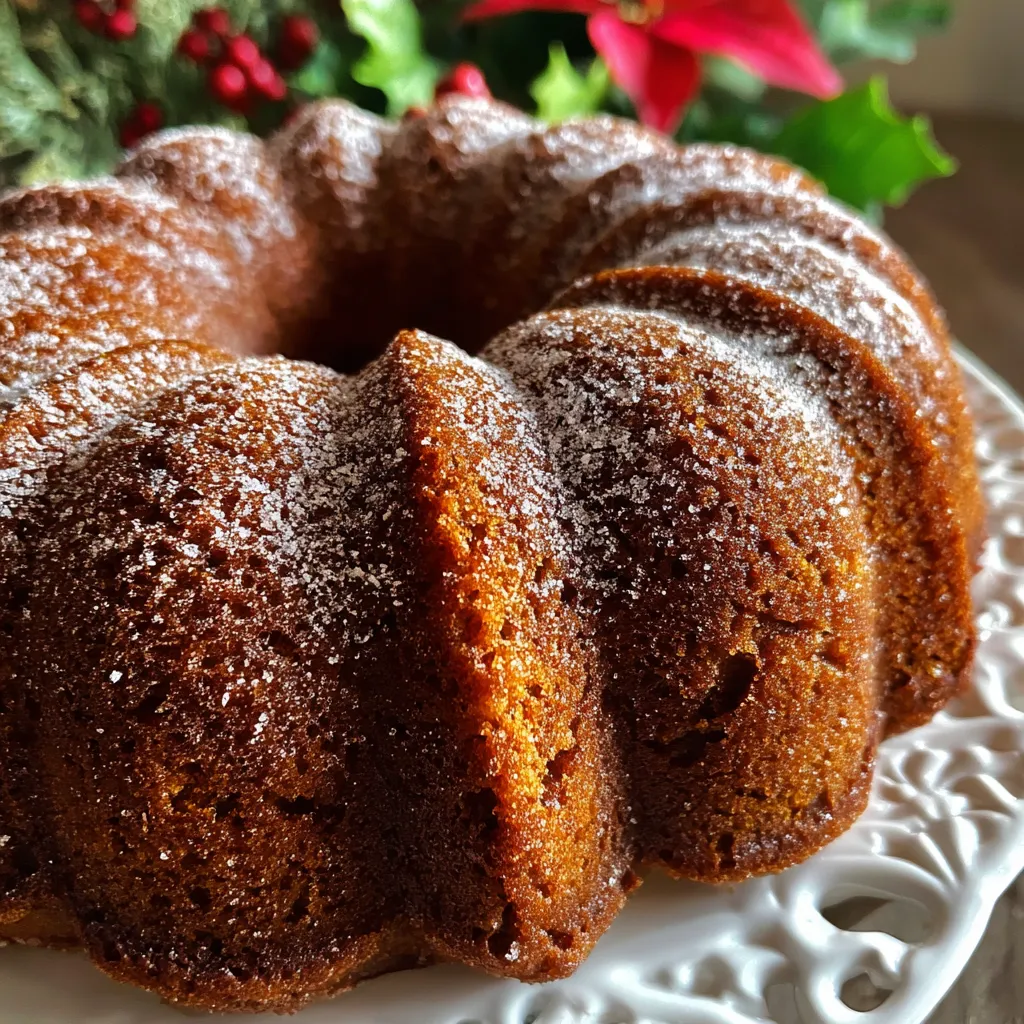
Nothing beats a slice of moist, spice-filled Bundt cake when you’re craving cozy comfort. This Gingerbread Bundt Cake layers warm ginger and rich molasses throughout a tender crumb, filling your kitchen with fall aromas of cinnamon, nutmeg, and cloves. Whether you dust it with powdered sugar, drizzle a simple icing, or serve it alongside steaming coffee, each bite feels like a holiday treat. Roll up your sleeves and get ready to bake a cake that’s as fun to make as it is to devour!
Before you begin, gather everything you need to create the perfect balance of sweet molasses and aromatic spices in your Bundt cake.
With your ingredients prepped, follow these steps to achieve a beautifully spiced cake that’s moist and tender. Each stage—from creaming the butter and sugars to alternating dry ingredients with buttermilk—builds layers of flavor and texture. Be sure to measure accurately, mix gently, and give the cake its 15-minute rest in the pan to release perfectly.
1. Preheat your oven to 350°F (175°C). Grease and flour a Bundt pan thoroughly, ensuring every crevice is coated to prevent sticking and promote an easy release.
2. In a medium bowl, whisk together the all-purpose flour, baking soda, baking powder, ground ginger, ground cinnamon, ground nutmeg, ground cloves, and salt. Set the well-mixed dry ingredients aside.
3. In a large mixing bowl, beat the softened unsalted butter, brown sugar, and granulated sugar with an electric mixer on medium speed until the mixture is light and fluffy, about 3 to 5 minutes.
4. Add the eggs one at a time, beating well after each addition, until fully incorporated and the batter looks smooth and glossy.
5. Stir in the molasses and vanilla extract until just combined, scraping down the sides of the bowl to incorporate every bit of flavor.
6. Gradually add the dry flour mixture to the butter mixture, alternating with the buttermilk. Start and end with the flour mix, mixing gently just until combined—overmixing can tighten the crumb.
7. Pour the thick, spiced batter into the prepared Bundt pan, spreading it evenly with a spatula and smoothing the top.
8. Bake for 45 to 55 minutes, or until a toothpick inserted into the center comes out clean or with a few moist crumbs attached.
9. Once baked, remove the cake from the oven and let it cool in the pan for about 15 minutes. This resting period helps the cake release cleanly.
10. Carefully invert the Bundt pan onto a wire rack to remove the cake, then let it cool completely before serving. For an optional finishing touch, dust with powdered sugar or drizzle with a simple icing made from powdered sugar and a little milk.
Once your Gingerbread Bundt Cake is cooled and ready, the fun really begins—pairing it with the perfect accompaniments can take every slice to the next level. Whether you’re aiming for extra creaminess, a bit of crunch, or a warming drink on the side, these ideas will make serving a breeze and keep everyone asking for seconds.
Getting this Gingerbread Bundt Cake just right is all about attention to texture, timing, and flavor balance. Don’t rush the mixing or skipping the cool-down in the pan—those moments make all the difference between a good cake and an unforgettable one. Feel free to embrace those mix-ins, plan ahead, or pick your favorite topping. With these tips in mind, you’ll have a show-stopping cake that’s moist, fragrant, and bursting with holiday spice every time.
After all the baking and decorating fun, you’ll want to keep your Gingerbread Bundt Cake as fresh as day one. Proper storage methods preserve moisture, protect the spices, and make sure every slice tastes like you just pulled it from the oven.
Got a few questions before you bake? Check out these quick answers to help your holiday kitchen run smoothly.
A: Active prep time is about 20 minutes—this includes measuring ingredients, whisking the dry mix, creaming butter and sugars, and combining all components. The cake then bakes for 45–55 minutes. Allow an additional 15 minutes for cooling in the pan before inverting onto a wire rack. In total, plan for roughly 1 hour 30 minutes from start to finish, including cooling time.
A: First, grease the pan thoroughly with softened butter or nonstick baking spray, making sure to coat all crevices. Then dust with a light layer of flour, tapping out any excess. After baking, let the cake rest in the pan for 15 minutes—this allows steam to loosen it from the sides—before inverting it onto a wire rack. If you still encounter sticking, run a thin knife gently around the inside edge before flipping.
A: Yes. For 1 cup of buttermilk, combine 1 cup of milk (whole or 2%) with 1 tablespoon of white vinegar or lemon juice. Stir and let it sit for 5–10 minutes until it thickens and curdles slightly. This homemade buttermilk provides the same acidity and moisture needed to react with the baking soda for a tender crumb.
A: Insert a clean toothpick or thin skewer into the center of the cake. It’s done when the toothpick comes out clean or with a few moist crumbs attached. The cake’s edges should also begin to pull away slightly from the sides of the pan, and the top should spring back when gently pressed with a fingertip.
A: To store at room temperature, wrap the cooled cake in plastic wrap or keep it in an airtight container for up to 3 days. For longer storage, freeze individual slices or the whole cake (once completely cooled) by wrapping it tightly in plastic wrap and then in aluminum foil; it will keep well for up to 2 months. Thaw overnight in the refrigerator or at room temperature before serving.
A: Absolutely. Gently fold in ½ to 1 cup of chopped nuts (walnuts or pecans) or diced candied ginger just before pouring the batter into the pan. For a citrus twist, add 1 teaspoon of orange zest to the batter or drizzle the cooled cake with a simple orange-spiced glaze made from powdered sugar, orange juice, and a pinch of cinnamon.
A: Baking soda reacts with the acidic molasses and buttermilk to give an initial lift, while baking powder provides additional, more controlled rising as the cake bakes. Using both ensures a light, tender crumb and prevents the cake from becoming too dense or flat.
This Gingerbread Bundt Cake is a star because it combines warm ginger, rich molasses, and holiday spices in a tender, perfectly baked ring—no fancy techniques required. The gentle balance of cinnamon, nutmeg, and cloves creates that classic fall aroma, while the simple icing or powdered sugar finish makes every slice feel extra festive. It’s the kind of recipe you’ll want to print, save, and return to year after year. Tried it out? Leave a comment, share your tweaks, or ask a question—I’d love to hear how your cake turned out!
Fall aromas of ginger, cinnamon, and nutmeg waft from this moist Bundt cake, each slice tender and spiced, perfect when dusted with powdered sugar or drizzled in sweet icing.

I’m Sophia Montgomery, your guide and fellow food enthusiast on this delicious journey. As a home cook with a deep love for creating meals that bring people together, I started this blog to share my passion for simple, flavorful, and heartwarming dishes