

As the golden hues of fall settle in, a big bowl of creamy butternut squash pasta sauce feels like a warm embrace. This cozy fall favorite transforms humble ingredients into something truly spectacular. Roasted cubes of butternut squash meld with a silky blend of heavy cream and Parmesan, while a whisper of nutmeg gives it that perfect seasonal twist. The sauce clings lovingly to every strand of pasta, turning each forkful into a rich, satisfying moment that feels both indulgent and nourishing. It’s the kind of recipe that invites you to linger at the table, savoring every mouthful as the chilly air nips at your windows.
What makes this sauce so special isn’t just its dreamy texture or vibrant orange hue—it’s how effortlessly it comes together. In just 15 minutes of prep and 35 minutes of cooking, you can have a restaurant-quality dish on your table, clocking in at around 450 calories per serving. Whether you’re a culinary newbie or a seasoned home cook, the simple steps of roasting, sautéing, and blending yield a sauce that’s rich in flavor and perfect for lunch or dinner. This vegetarian recipe brings true fall flavors to life, making it ideal for gatherings, family meals, or simply treating yourself to a deliciously comforting dinner.
KEY INGREDIENTS IN BUTTERNUT SQUASH PASTA SAUCE
Every ingredient in this creamy sauce plays a starring role in building layers of flavor and texture. From the foundational squash to the finishing touch of fresh parsley, each element works together to create a harmonious, hearty dish that’s both simple and sophisticated.
- Butternut Squash
The sweet, nutty base of this sauce. Roasting the squash caramelizes its natural sugars, adding depth and a beautiful golden color.
- Olive Oil
Used for roasting and sautéing, it adds a fruity richness and helps develop golden-brown edges on the squash and onions.
- Onion
Cooked until translucent, it forms the savory backbone, balancing sweetness with a mellow, aromatic flavor.
- Garlic
Minced and sautéed until fragrant, it infuses the sauce with a gentle warmth and classic Italian character.
- Vegetable Broth
Adds moisture and a subtle umami boost, helping to loosen the texture so the sauce can be mashed and blended smoothly.
- Heavy Cream
Gives the sauce its luxuriously silky texture, rounding out the flavors and creating that irresistible creamy mouthfeel.
- Nutmeg
A tiny pinch brings a cozy, warming spice note that complements the natural sweetness of the squash.
- Salt
Essential for seasoning, it enhances all the flavors and brings out the best in each ingredient.
- Black Pepper
Adds a hint of earthy spice and a gentle kick that balances the richness.
- Parmesan Cheese
Melts into the sauce for an extra layer of savory, umami-packed goodness and a slight sharpness.
- Fresh Parsley
Chopped and sprinkled on top for a burst of bright, herbal freshness and visual appeal.
- Pasta
Your choice of shape acts as the perfect vehicle, soaking up every drop of this luscious sauce.
HOW TO MAKE BUTTERNUT SQUASH PASTA SAUCE
Let’s dive into the heart of the kitchen and walk through each step toward silky, dreamy perfection. From roasting to simmering, every move builds on the last, resulting in a sauce that’s equal parts comforting and impressive.
1. Preheat your oven to 400°F (200°C). This even heat is crucial for roasting the squash to tender, caramelized perfection.
2. Spread the cubed butternut squash on a baking sheet. Drizzle with olive oil and season with salt and pepper. Toss thoroughly so each cube is coated, ensuring uniform roasting.
3. Roast the squash in the preheated oven for 25–30 minutes, or until fork-tender, stirring halfway through to promote even browning and caramelization.
4. While the squash is roasting, heat a large skillet over medium heat and add a tablespoon of olive oil. This creates the base for your aromatic sauté.
5. Add the chopped onion and a pinch of salt, cooking until the onion is translucent, about 5 minutes, releasing its sweet, mellow flavor.
6. Add the minced garlic to the skillet and sauté for an additional 1–2 minutes until fragrant, being careful not to let it burn.
7. Once the butternut squash is done, add it to the skillet with the onions and garlic, merging those warm, roasted flavors.
8. Pour in the vegetable broth and using a potato masher or the back of a spoon, mash the squash until it’s smooth, creating the foundation of your sauce.
9. Stir in the heavy cream, nutmeg, and Parmesan cheese. Let the sauce simmer for about 5 minutes to thicken slightly and allow the flavors to meld.
10. Season with more salt and pepper to taste, adjusting the balance until it sings just right.
11. If the sauce is too thick, add a splash more vegetable broth to reach your desired consistency, whether you like it velvety or a bit more flowing.
12. Toss the sauce with your cooked pasta, ensuring each piece is well-coated and glossy with that creamy goodness.
13. Serve immediately, garnished with chopped fresh parsley and extra Parmesan cheese if desired for a final flourish.
SERVING SUGGESTIONS FOR BUTTERNUT SQUASH PASTA SAUCE
After all that hard work in the kitchen, it’s time to plate up and enjoy every creamy, cozy bite. Here are a few ideas to elevate your serving style and make this dish feel extra special. Whether you’re pulling out the good china or keeping it casual, these suggestions will make your meal shine.
- Add Crunch with Toasted Nuts
Sprinkle toasted pine nuts or chopped walnuts on top to introduce a delightful textural contrast. The warm, buttery crunch pairs wonderfully with the velvety sauce.
- Finish with Fresh Herbs
Garnish with a handful of fresh sage or basil leaves in addition to parsley. This adds a fragrant, herbal note that brightens each mouthful.
- Serve with a Side Salad
A crisp mixed greens salad dressed in a light lemon vinaigrette provides a refreshing counterpoint. The acidity cuts through the richness for a balanced meal.
- Pair with a Glass of Wine
Complement the dish with a chilled Chardonnay or a light Pinot Noir. The wine’s acidity and fruit notes will harmonize beautifully with the creamy, nutty flavors.
HOW TO STORE BUTTERNUT SQUASH PASTA SAUCE
Whether you have leftovers or want to prepare ahead, proper storage ensures your sauce stays fresh and flavorful. From refrigeration to freezing, these tips will help you maintain that just-made taste for days to come. Let’s explore the best ways to keep your creamy sauce at its peak.
- Refrigeration
Transfer any extra sauce to an airtight container once it cools to room temperature. Store in the fridge for up to 3 days, stirring gently before reheating.
- Freezing
Portion the sauce into freezer-safe bags or containers, removing as much air as possible to prevent ice crystals. Label with the date and freeze for up to 3 months.
- Jar Storage
Use sterilized glass jars to store sauce in the fridge. The airtight seal preserves freshness and you can grab a jar when you need a quick dinner boost.
- Reheating Tips
Warm gently in a saucepan over low heat, stirring frequently. Add a splash of broth or cream if it has thickened too much, restoring its smooth consistency.
CONCLUSION
This creamy butternut squash pasta sauce has everything you could want in a cozy, fall-inspired meal: sweet roasted squash, velvety cream, and a hint of warming nutmeg all wrapped up in a beginner-friendly recipe. In just 15 minutes of prep and 35 minutes of cooking, you create a dish that feels indulgent yet wholesome, perfect for lunch or dinner on crisp autumn evenings. Whether you’re serving it to family or savoring a quiet solo meal, every forkful brings comfort and warmth. Don’t forget to print this article or save it for later, so you can revisit these tips and tricks whenever you need a quick, elegant sauce. Below, you’ll also find a handy FAQ section to tackle any questions you might have.
I’d love to hear how your sauce turned out! If you tried roasting the squash just a touch longer for extra caramelization, or experimented with paprika for a smoky twist, share your thoughts. Comments, questions, or feedback are always welcome—let me know if you need help making this recipe your own or if you have ideas for variations. Your cooking journey is what makes these recipes come alive, and I can’t wait to hear about your delicious adventures in the kitchen. Happy cooking!
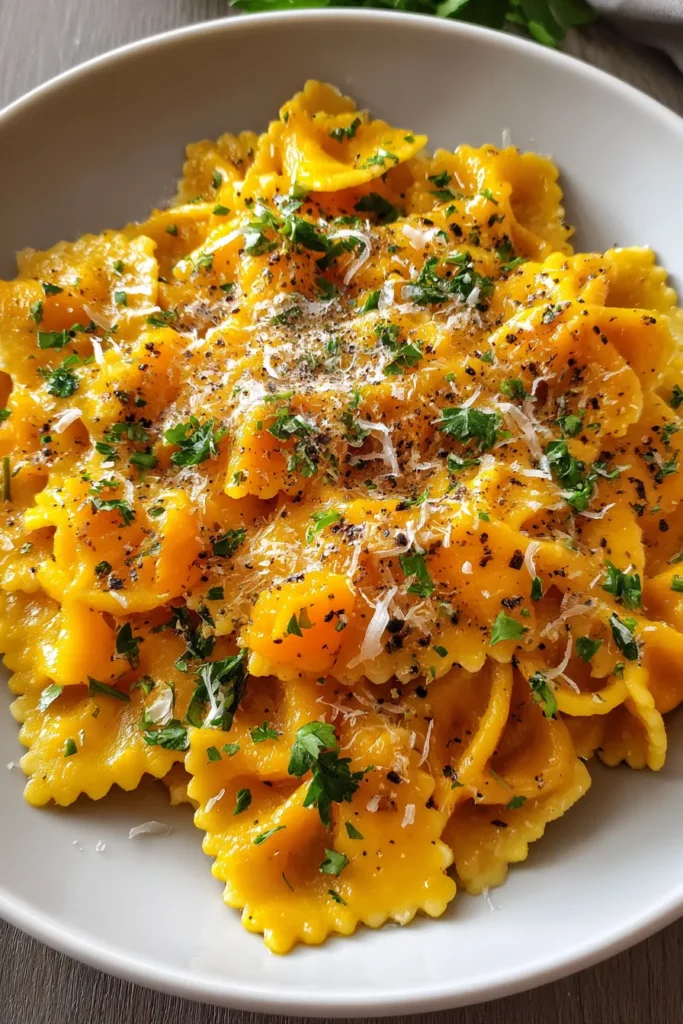

Butternut Squash Pasta Sauce
Description
With its rich, creamy texture and the natural sweetness of roasted butternut squash, this pasta sauce is a deliciously comforting option that brings autumn flavors to your table.
Ingredients
Instructions
-
Preheat your oven to 400°F (200°C).
-
Spread the cubed butternut squash on a baking sheet. Drizzle with olive oil and season with salt and pepper. Toss to coat.
-
Roast the squash in the preheated oven for 25-30 minutes, or until fork-tender, stirring halfway through.
-
While the squash is roasting, heat a large skillet over medium heat and add a tablespoon of olive oil.
-
Add the chopped onion and a pinch of salt, cooking until the onion is translucent, about 5 minutes.
-
Add the minced garlic to the skillet and sauté for an additional 1-2 minutes until fragrant.
-
Once the butternut squash is done, add it to the skillet with the onions and garlic.
-
Pour in the vegetable broth and using a potato masher or the back of a spoon, mash the squash until it’s smooth.
-
Stir in the heavy cream, nutmeg, and Parmesan cheese. Let the sauce simmer for about 5 minutes to thicken slightly.
-
Season with more salt and pepper to taste.
-
If the sauce is too thick, add a splash more vegetable broth to reach your desired consistency.
-
Toss the sauce with your cooked pasta, ensuring each piece is well-coated.
-
Serve immediately, garnished with chopped fresh parsley and extra Parmesan cheese if desired.
Note
- You can make this recipe vegan by substituting the heavy cream and Parmesan cheese with coconut milk and nutritional yeast respectively.
- Roasting the squash adds sweetness and depth to the sauce.
- This sauce pairs well with any pasta, but it especially complements whole wheat and spinach pasta.
- Leftover sauce can be stored in the refrigerator for up to 3 days.
- For an extra flavor boost, consider adding a pinch of paprika or cayenne pepper.

