

Nothing quite makes my heart race like the sight of fresh zucchinis lined up on the counter, ready for a sizzling transformation. Growing up, my family would pack into our local Japanese steakhouse for birthday dinners, eagerly awaiting the hibachi chef’s dramatic display. As soon as that flat grill started to heat and I caught the first glimpse of those vibrant green slices dancing in oil, I knew we were in for a treat. This Japanese Steakhouse Hibachi Zucchini brings that excitement home, combining crisp-tender vegetables with fragrant garlic, zingy ginger, and a whisper of soy sauce. It’s a bright, flavorful riff on a classic hibachi side—perfect for both beginner cooks and seasoned kitchen pros.
Over the years, I’ve played around with adding chilies, squeezing fresh lemon, and even tossing in chopped bell peppers, but this straightforward version remains my go-to. In just twenty minutes from start to finish—ten for prep, ten for cooking—you’ll have a healthy, 120-calorie side dish that fits beautifully alongside grilled steak, roasted chicken, or a steaming bowl of rice or noodles. Whether you’re chasing that satisfying sizzle on a weeknight or hosting a casual dinner party, these bite-sized zucchini gems are here to steal the show. So grab your skillet (or hibachi grill, if you have one!), and let’s get cooking—your next favorite side dish awaits!
KEY INGREDIENTS IN JAPANESE STEAKHOUSE HIBACHI ZUCCHINI
Before we dive into the sizzling action, let’s explore the stars of this recipe. Each ingredient plays a crucial role in building layers of flavor, delivering that authentic Japanese steakhouse experience right in your own kitchen.
- Zucchini
Tender yet crisp, zucchini soaks up every bit of savory goodness. Its mild flavor and firm texture make it perfect for quick, high-heat cooking, lending a verdant pop of color and fresh crunch.
- Vegetable oil or sesame oil
A neutral oil like vegetable oil ensures even cooking without overpowering tastes, while sesame oil adds a toasty, nutty aroma that pairs beautifully with ginger and soy.
- Low-sodium soy sauce
It brings that quintessential umami punch and a touch of salt, helping to season the zucchini without overwhelming its delicate profile.
- Garlic
Minced garlic offers a sharp, aromatic kick. When sautéed briefly, it infuses the oil with savory depth—just enough to shine without turning bitter.
- Ginger
Freshly grated, ginger imparts a bright warmth and subtle spice that lifts the entire dish, balancing the richness of soy sauce.
- Salt and black pepper
Simple seasoning staples that allow you to fine-tune each bite, ensuring the zucchini’s natural sweetness and vegetables’ texture remain front and center.
- Sesame seeds
Toasted sesame seeds bring a gentle crunch and nutty richness, providing the final flourish that makes every bite sing.
- Optional garnish (scallions or parsley)
A sprinkle of chopped scallions or parsley adds a burst of color, a fresh edge, and a hint of herbal brightness.
HOW TO MAKE JAPANESE STEAKHOUSE HIBACHI ZUCCHINI
Ready to sizzle? This recipe comes together in a flash, transforming simple ingredients into a restaurant-worthy side dish. Follow each step carefully to achieve perfectly cooked, flavor-packed zucchini every time.
1. Prepare the zucchinis by washing them thoroughly and slicing them into bite-sized pieces. Aim for uniform slices so they cook at the same rate and present beautifully.
2. Heat the oil in a large skillet or hibachi grill over medium-high heat. Allow the oil to shimmer but not smoke, ensuring a hot, even surface.
3. Once the oil is hot, add the minced garlic and grated ginger, sautéing for about 30 seconds until fragrant—watch closely to avoid burning the garlic, which can turn bitter in an instant.
4. Add the zucchini pieces to the skillet, using a spatula or tongs to stir them gently and coat each slice evenly with the aromatic garlic-ginger oil.
5. Cook the zucchini for about 3–5 minutes, stirring occasionally, until they reach a tender-crisp texture. They should still have a bit of bite, showcasing that delightful crunch.
6. Pour in the soy sauce and stir well, allowing the zucchini to absorb its savory essence. Season further with salt and black pepper to taste.
7. Sprinkle the toasted sesame seeds over the skillet, giving the zucchini one last stir to distribute them evenly and add a nutty crunch.
8. Remove from heat and transfer the zucchini to a serving dish, letting any excess liquid cling to each piece.
9. Garnish with chopped scallions or parsley if desired, adding an extra pop of color and freshness.
10. Serve hot, either alongside grilled meats, rice, or noodles, or on its own as a light, delicious side dish.
SERVING SUGGESTIONS FOR JAPANESE STEAKHOUSE HIBACHI ZUCCHINI
Serving your hibachi zucchini with a bit of flair turns a simple side into an unforgettable part of the meal. Here are four ways to elevate your presentation and pairing game:
- Plate alongside grilled proteins
Pair these vibrant zucchini pieces with a seared steak, teriyaki chicken, or grilled shrimp. The contrasting textures and flavors let each component shine, creating a well-rounded main course.
- Build a rice bowl
Lay the zucchini over a bed of steamed jasmine or brown rice, then top with sliced green onions and a drizzle of ponzu or spicy mayo. This makes a quick, healthy lunch that’s colorful and satisfying.
- Toss into noodle dishes
Mix the sautéed zucchini into soba or udon noodles with a light sesame-soy dressing. Add shredded carrots and thinly sliced bell peppers for extra crunch and color.
- Serve as an appetizer
Arrange the zucchini on a long platter, sprinkle additional sesame seeds, and offer dipping sauces like yum yum sauce or a simple soy-ginger dressing. Perfect for sharing and nibbling before the main event.
HOW TO STORE JAPANESE STEAKHOUSE HIBACHI ZUCCHINI
Whether you have leftovers or want to prepare this dish ahead of time, proper storage ensures the zucchini retains its texture and flavor. Here’s how to keep it fresh and delicious:
- Refrigerate in an airtight container
Allow the zucchini to cool slightly, then transfer it to a sealed container. Stored in the fridge, it will stay fresh for up to 3 days without becoming soggy.
- Use glass storage
For best results, choose a glass container that won’t absorb odors. Glass helps maintain an even temperature, preserving the zucchini’s crisp-tender bite and vibrant color.
- Reheat gently
When you’re ready to enjoy leftovers, warm the zucchini in a nonstick skillet over medium heat or briefly microwave it on low power. This prevents overcooking and retains that delightful crunch.
- Freeze for longer storage
If you need to store it beyond a few days, place cooled zucchini in a freezer-safe bag, removing as much air as possible before sealing. It will keep for up to 2 months, though the texture may soften slightly upon thawing.
CONCLUSION
What an incredible journey we’ve taken—transforming humble zucchinis into a vibrant, crave-worthy Japanese Steakhouse Hibachi Zucchini that dazzles both the eyes and the palate. From selecting the freshest zucchinis and mastering the sizzle of medium-high heat to infusing each bite with garlic, ginger, soy, and sesame, you now possess the know-how to recreate that restaurant flair at home. With a total time of just twenty minutes and a beginner-friendly approach, this recipe fits seamlessly into busy weeknights, casual dinners, or even laid-back gatherings where you want to impress without the stress. The balance of nutrients—only 120 calories per serving—makes this dish as healthy as it is delicious, pairing effortlessly with proteins, grains, or simply standing on its own.
Feel free to print out this article and keep it handy in your recipe binder or digital folder, so you can revisit these steps whenever the craving strikes. Below, you’ll find a FAQ section to tackle any lingering questions, from ingredient swaps to serving ideas. If you try this recipe and have thoughts on seasoning tweaks, presentation hacks, or alternative garnishes, I would love to hear from you. Don’t hesitate to leave a comment, ask questions, or share your own experiences—your feedback helps make this cooking community even more vibrant. Happy cooking, and here’s to many more sizzling creations in your kitchen!
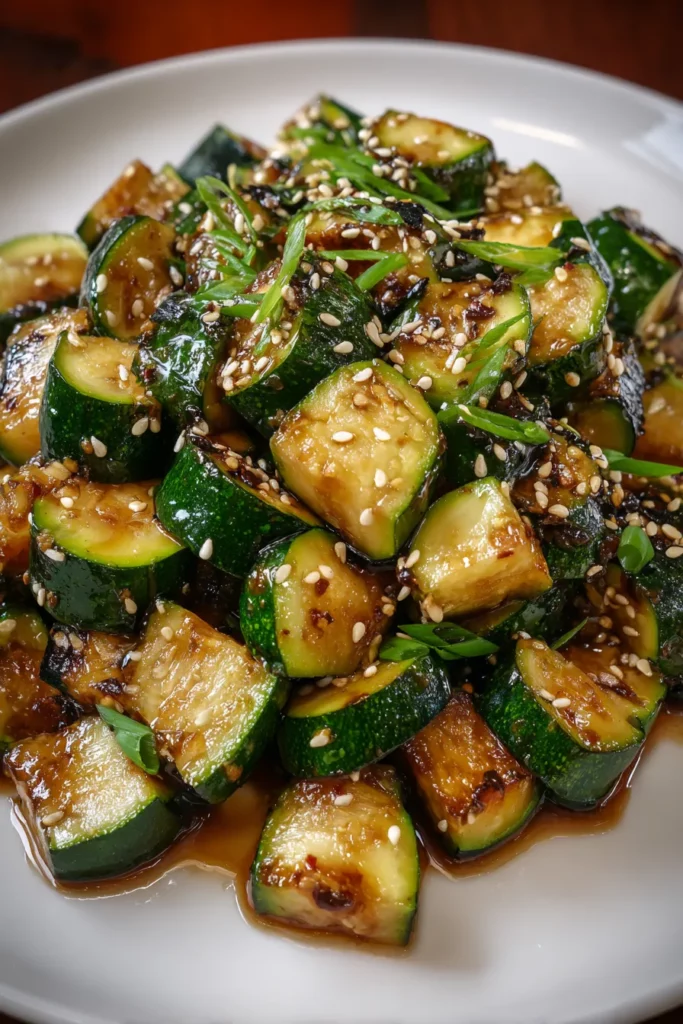

Japanese Steakhouse Hibachi Zucchini
Description
Experience the fresh crunch of zucchini sautéed with garlic and ginger, finished with a hint of soy sauce and toasted sesame seeds. This dish is both simple and flavorful!
Ingredients
Instructions
-
Prepare the zucchinis by washing them and slicing them into bite-sized pieces. Make sure the pieces are uniform for even cooking.
-
Heat the vegetable or sesame oil in a large skillet or hibachi grill over medium-high heat.
-
Once the oil is hot, add the minced garlic and grated ginger, sautéing for about 30 seconds until fragrant, but being careful not to burn the garlic.
-
Add the zucchini pieces to the skillet, stirring to coat them evenly with the garlic and ginger mixture.
-
Cook the zucchini for about 3-5 minutes, stirring occasionally, until they are tender-crisp. Be careful not to overcook, as the zucchinis should retain some crunch.
-
Pour in the soy sauce and stir well, allowing the zucchini to absorb the flavor. Season with salt and black pepper to taste.
-
Sprinkle the toasted sesame seeds over the zucchini, giving them one last stir to ensure even distribution.
-
Remove from heat and transfer the zucchini to a serving dish.
-
Garnish with chopped scallions or parsley if desired for an extra burst of color and flavor.
-
Serve the hibachi zucchini hot, as part of a meal or on its own as a delicious side dish.
Note
- This dish pairs wonderfully with grilled meats like steak or chicken, or can be enjoyed with rice or noodles.
- For added flavor, try adding a dash of mirin or sake while cooking.
- This recipe is easily customizable with additional vegetables such as carrots or bell peppers.
- Consider using other seasonings such as chili flakes for a bit of heat, or a splash of lemon juice for a zesty finish.

