

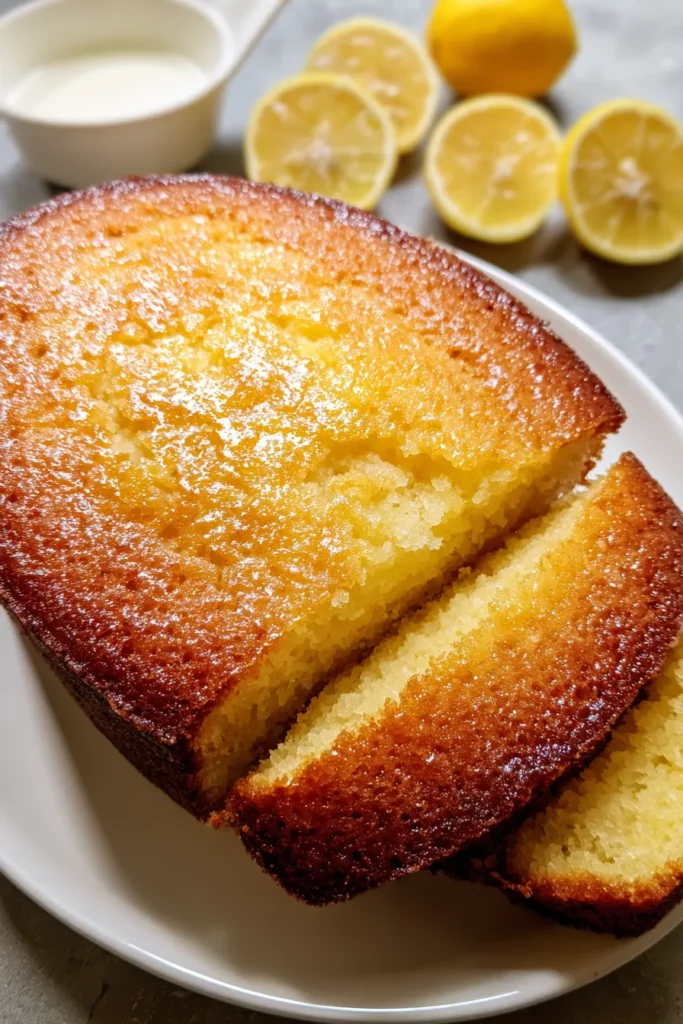
When a slice of cake can transport you back to lazy Sunday afternoons, you know it’s something special. That’s exactly the kind of magic this Moist Lemon Butter Cake brings to the table. From the moment you reach for that first forkful, you’re met with a tender crumb that somehow manages to be both delicately airy and sumptuously rich. The bright, citrus zing from freshly grated lemon zest dances on your taste buds while the lush, buttery base carries every note with a velvety finish. I still remember the first time I baked this cake for my book club; the cozy hum of conversation instantly gave way to appreciative “oohs” and “aahs” as everyone savored the glossy, lemon-sweet glaze pooling in each crevice. It was one of those pride-swelling moments a home baker dreams of, and now I can’t wait for you to experience that same joyous reaction in your own kitchen.
Once you realize this dessert is a beginner-friendly delight, there’s no turning back. With just twenty minutes of simple prep, followed by a quick thirty to thirty-five minutes in the oven and a brief ten-minute rest, you’ll have a show-stopping dessert that feels anything but everyday. It’s perfect for anyone who’s ever thought, “I wish baking were a bit more forgiving.” Here, you’ll find no daunting techniques—just straightforward steps that yield a cake bursting with citrus flavor and topped with a glossy glaze that seeps into every nook of the tender crumb. Serving as a stellar finale to a casual brunch or an indulgent afternoon tea, this cake fits into busy schedules without skimping on personality. And at around 400 calories per slice, it’s easy to rationalize seconds (or thirds!). So grab your whisk and let’s dive into a recipe that’s destined to become your next kitchen triumph.
KEY INGREDIENTS IN MOIST LEMON BUTTER CAKE
Every unforgettable cake starts with thoughtfully chosen ingredients that bring flavor, texture, and balance. In this Moist Lemon Butter Cake, each component plays a starring role: the interplay of buttery richness, sweet lift, and bright citrus zing is orchestrated by a combination of pantry staples and fresh citrus. Here’s what you’ll need and why it matters:
- Unsalted butter
Provides a lush, creamy foundation for the cake’s tender crumb. By using unsalted butter, you control the salt content precisely and ensure that the lemon flavor shines through without any unexpected saltiness.
- Granulated sugar
Sweetens the cake evenly while helping to create air pockets during the creaming process. This results in a light, fluffy texture that contrasts beautifully with the rich butter.
- Lemon zest
Infuses the batter with bright citrus oils and aromatic zing. It’s the secret ingredient that elevates every bite, lending intense lemon flavor without additional liquid.
- Eggs
Act as both binder and leavening agents, giving structure and moisture. As they incorporate air when whipped in, eggs help the cake rise to a lofty, tender height.
- Vanilla extract
Adds a warm, rounded background flavor that deepens the overall taste profile and complements the citrus notes.
- All-purpose flour
Forms the backbone of the cake’s structure. Its moderate protein content develops just enough gluten to hold the cake together while keeping it tender.
- Baking powder
Supplies extra lift and helps achieve a light, springy texture by releasing carbon dioxide when the batter heats up.
- Baking soda
Reacts with the acidic buttermilk and lemon juice, further boosting leavening and improving crumb tenderness.
- Salt
Balances sweetness and enhances other flavors, ensuring that the buttery and citrus elements pop.
- Buttermilk
Contributes tangy moisture and reacts with the leavening agents to keep the cake soft and pliable.
- Fresh lemon juice
Delivers clean, bright acidity that sharpens the flavor and lends a refreshing finish to each bite.
- Powdered sugar
Forms the base of the glossy glaze, dissolving easily to create a silky coating that seeps into the cake’s crevices.
HOW TO MAKE MOIST LEMON BUTTER CAKE
Ready to transform these ingredients into a sensational dessert? Follow these detailed steps to bake, glaze, and present a cake that’s pure sunshine on a plate.
1. Preheat your oven to 350°F (175°C) and prepare a 9×13-inch baking pan by greasing it lightly with butter or nonstick spray, then dusting it with flour to prevent sticking.
2. In a large bowl, cream together the softened butter, granulated sugar, and lemon zest using a hand mixer or stand mixer on medium speed. Continue until the mixture is light and fluffy—about 3 to 5 minutes—so that each lemony bubble adds lift.
3. Add the eggs one at a time, beating well after each addition to ensure full incorporation. Once all eggs are blended in, mix in the vanilla extract until just combined.
4. In a separate bowl, sift together the all-purpose flour, baking powder, baking soda, and salt. This step removes lumps and evenly distributes the leavening agents.
5. Gradually introduce the flour mixture to the butter mixture, alternating with the buttermilk and fresh lemon juice. Start and finish with the flour blend, mixing on low speed and stopping as soon as the batter comes together to avoid overmixing.
6. Pour the smooth batter into your prepared pan and use a spatula to smooth the top, ensuring even thickness for uniform baking.
7. Bake for 30 to 35 minutes, or until a toothpick inserted into the center comes out clean or with just a few moist crumbs clinging to it.
8. While the cake bakes, whisk together the powdered sugar and lemon juice in a small bowl until you have a silky glaze—no lumps, just smooth citrus sweetness.
9. Once the cake is golden and set, remove it from the oven and let it cool in the pan for about 10 minutes. Then, use a skewer or fork to poke holes all over the surface—this is where the glaze will dive in.
10. Pour the glaze evenly over the warm cake, allowing it to soak in and amplify the lemon flavor in every nook and cranny.
11. Let the cake cool completely on a wire rack before slicing. This resting period ensures that the glaze sets to a glossy finish and the flavors meld beautifully.
SERVING SUGGESTIONS FOR MOIST LEMON BUTTER CAKE
When it comes to serving, this cake is like a blank canvas for your creativity. Whether you’re entertaining friends, hosting a tea party, or simply treating yourself, these ideas will help you elevate every slice:
- Arrange each slice on a plate with a side of fresh berries—think raspberries, blueberries, or even thinly sliced strawberries—to balance the sweet-tart profile and add vibrant color.
- Dust the top with a light sprinkling of additional lemon zest or powdered sugar for a delicate, decorative finish that catches the light and heightens the citrus aroma.
- Pair a square of cake with a steaming cup of Earl Grey or lemon-infused tea to create a classic British-inspired tea-time treat. The bergamot notes in Earl Grey harmonize beautifully with lemon cake.
- Serve slightly warmed alongside a scoop of vanilla ice cream or a dollop of homemade whipped cream. The contrast of temperatures and textures—warm cake, cold cream—makes each bite pure bliss.
HOW TO STORE MOIST LEMON BUTTER CAKE
Keeping this cake moist and flavorful is a breeze when you follow a few simple storage methods. Whether you’re saving leftovers or planning ahead for a gathering, these tips will help maintain that just-baked magic:
- Store at room temperature by covering the pan tightly with plastic wrap or transferring slices to an airtight container. Properly sealed, the cake will stay fresh for up to two days without drying out.
- For slightly longer storage, refrigerate the cake. Wrap individual slices in plastic wrap or place them in a well-sealed container to prevent odor absorption. Enjoy within four to five days for the best texture and flavor.
- To preserve it for weeks, freeze the cake. Slice it first, wrap each piece snugly in plastic wrap, then place them in a zip-top freezer bag or airtight container. Label with the date and store for up to three months. Thaw overnight in the fridge or for a few hours at room temperature.
- Refresh slices by reheating gently before serving, either in the microwave for 10–15 seconds or in a preheated 300°F oven for about 5 minutes. This brings back that fresh-baked warmth and revives the glaze’s sheen.
CONCLUSION
What began as a simple idea—a buttery cake kissed with vibrant lemon—has now become a recipe you can turn to again and again. We’ve walked through every step, from selecting your ingredients to glazing each golden slice, ensuring you can recreate that melt-in-your-mouth magic right in your own kitchen. Whether you’re a novice baker looking for an approachable dessert or a seasoned home chef eager to add another citrus masterpiece to your repertoire, this Moist Lemon Butter Cake delivers on all fronts. By printing this article or saving it to your digital recipe binder, you’ll always have these easy-to-follow instructions, ingredient insights, and storage tips at your fingertips. Plus, with details on serving suggestions and ways to keep your cake fresh, you’re fully equipped to impress at brunches, potlucks, or a quiet afternoon tea.
Don’t forget—you can find a FAQ section below to answer any lingering questions you might have about technique, substitutions, or troubleshooting. If you give this recipe a try, I’d love to hear how it turned out for you. Drop a comment, share your tips, or ask any questions if something seems tricky in the process. Baking is all about experimentation, learning, and sharing our successes (and delightful mishaps). So let me know if you need any help, or tell me about the smiles this cake brings to your table. Happy baking!

Moist Lemon Butter Cake
Description
This moist lemon butter cake combines silky butteriness with vibrant citrus zing. Every forkful is soaked in tangy lemon glaze, offering an irresistible balance of sweet and tart in each tender crumb.
Ingredients
Instructions
-
Preheat your oven to 350°F (175°C). Grease and flour a 9x13-inch baking pan.
-
In a large bowl, cream together the softened butter, granulated sugar, and lemon zest until the mixture is light and fluffy.
-
Add eggs one at a time, beating well after each addition. Stir in the vanilla extract.
-
In a separate bowl, sift together the flour, baking powder, baking soda, and salt.
-
Gradually add the flour mixture to the butter mixture, alternating with the buttermilk and fresh lemon juice. Begin and end with the flour mixture, mixing just until combined.
-
Pour the batter into the prepared baking pan, smoothing the top with a spatula.
-
Bake in the preheated oven for 30 to 35 minutes or until a toothpick inserted into the center of the cake comes out clean.
-
While the cake is baking, prepare the glaze by whisking together the powdered sugar and lemon juice until smooth.
-
Once the cake is baked, remove it from the oven and let it cool in the pan for about 10 minutes. Then, gently poke holes over the surface of the cake using a skewer or fork.
-
Pour the lemon glaze evenly over the warm cake, allowing it to soak in and enhance the lemon flavor.
-
Let the cake cool completely in the pan on a wire rack before slicing and serving.
Note
- For extra moisture, wrap the cake in plastic wrap while it’s still warm and let it sit overnight before serving.
- You can add a tablespoon of poppy seeds to the batter for a delightful crunch.
- This cake is perfect for afternoon tea or as a refreshing dessert.
- The balance between sweetness and tartness can be adjusted by varying the amount of lemon juice in the glaze.
- Garnish with lemon slices or fresh berries for added presentation.

