

Sheet Pan Maple Dijon Glazed Salmon is a beginner-friendly dinner where sweet maple syrup and tangy Dijon mustard team up to create glossy, caramelized fish right on one sheet pan. Tangy Dijon mustard and sweet maple syrup transform salmon fillets into a quick roast with sticky edges and deep savory-sweet flavor. With just a few simple steps—whisking a smooth glaze, baking, then broiling—you’ll end up with tender, flaky salmon that feels special enough for guests yet easy enough for busy weeknights. Give it a try and watch it disappear!
Key Ingredients
Before you get started, gather these simple ingredients that turn ordinary salmon into a sticky-sweet masterpiece:
- 4 6 oz salmon fillet: Meaty, flaky fillets that soak up the maple Dijon glaze and hold firm under the broiler.
- 2 tbsp Dijon mustard: Sharp, tangy kick that balances the sweetness and adds depth.
- 3 tbsp maple syrup: Pure sweetness that caramelizes into a glossy finish when broiled.
- 1 tbsp soy sauce: Provides savory umami notes and enhances the glaze’s complexity.
- 1 clove garlic minced: Fresh garlic adds a subtle bite and aromatic layer to the sauce.
- 1 tbsp olive oil: Helps emulsify the glaze and keeps the salmon moist.
- Salt to taste: Simple seasoning to bring out the natural flavors of the fish.
- Pepper to taste: Adds a gentle heat that complements the sweet-savory glaze.
How To Make Sheet Pan Maple Dijon Glazed Salmon
This recipe is wonderfully straightforward: you’ll whip up a shiny maple Dijon glaze, coat the salmon fillets, bake them until just opaque, then finish under the broiler for a perfectly caramelized top. The result is a tender, flaky fish with golden edges and a sticky, flavorful crust—all achieved on a single pan for minimal cleanup and maximum wow factor.
1. Preheat your oven to 400°F. Meanwhile, line a large sheet pan with parchment paper or lightly grease it with oil to prevent sticking and make cleanup effortless.
2. In a small mixing bowl, whisk together Dijon mustard, maple syrup, soy sauce, minced garlic, and olive oil until perfectly smooth and glossy.
3. Arrange the salmon fillets skin-side down on the prepared pan. Season each fillet lightly with salt and pepper to taste.
4. Use a pastry brush or spoon to coat the tops of the salmon with two-thirds of the glaze, spreading it evenly to ensure every bite is flavorful.
5. Slide the pan into the oven and bake for 10–12 minutes, or until the salmon is just opaque in the center and flakes easily with a fork.
6. Carefully remove the sheet pan, brush on the remaining glaze, then switch the oven to broil. Broil for 1–2 minutes until the glaze bubbles and caramelizes—watch closely to avoid burning.
7. Let the salmon rest for a couple of minutes on the pan before serving so the juices redistribute and the glaze sets.
Serving Suggestions
Once your salmon is perfectly cooked, think about presentation and side pairings to make it shine at the table. Whether it’s a casual weeknight dinner or a special occasion, these serving ideas will elevate the dish and round out the meal beautifully.
- Serve over fluffy jasmine rice to soak up every drop of extra glaze and add a soft, fragrant base.
- Pair with roasted asparagus or green beans on the same pan—drizzle them in the leftover glaze before baking for a cohesive one-sheet meal.
- Garnish with a sprinkle of fresh chopped parsley or chives for a pop of color and herbal brightness.
- Plate alongside a crisp mixed greens salad tossed in a light vinaigrette to balance the richness of the salmon.
Tips For Perfect Sheet Pan Maple Dijon Glazed Salmon
Nailing this recipe is all about timing, quality ingredients, and a watchful eye under the broiler. With a few friendly reminders, your salmon will turn out sublime every single time.
- Use pure maple syrup for the best depth of flavor and natural sweetness—pancake syrup just won’t caramelize the same way.
- Keep an eye on the salmon during broiling; glazes can go from perfectly browned to burnt in seconds.
- For a full one-pan dinner, add trimmed asparagus or green beans around the salmon before baking—toss them with a little oil, salt, and pepper.
- Store leftover salmon in an airtight container and flake it into salads or sandwiches for an easy next-day meal.
How To Store It
To keep your leftover salmon tasting fresh and moist, proper storage is key. Follow these simple methods to maintain that signature caramelized glaze and flaky texture.
- Refrigerate: Once cooled to room temperature, transfer salmon to an airtight container and refrigerate within two hours. It will stay fresh for 2–3 days.
- Freeze: Wrap each fillet tightly in plastic wrap, then place in a freezer-safe bag. Label with the date and freeze for up to 2 months.
- Moisture control: Slip a slightly damp paper towel over the salmon before sealing to help retain moisture and prevent dryness.
- Label and rotate: Always label your containers with the date so you can enjoy the salmon at its peak and avoid keeping it too long.
Frequently Asked Questions
Got questions? Here are answers to the most common queries about this glazed salmon recipe.
- How long does it take to prepare and cook the Sheet Pan Maple Dijon Glazed Salmon?
A: Total time is about 25–30 minutes. Prep takes 10–12 minutes to whisk the glaze, season the fillets, and line the pan. Baking is 10–12 minutes, followed by a 1–2 minute broil and a brief 2-minute rest before serving.
- Can I use frozen salmon fillets for this recipe?
A: Yes, but thaw them completely in the refrigerator overnight or under cold running water before cooking. Pat dry to remove excess moisture so the glaze adheres properly and the salmon cooks evenly.
- How can I tell when the salmon is fully cooked without overcooking it?
A: The salmon should be just opaque in the center when you remove it after the 10–12 minute bake. It will flake easily with a fork at the thickest part. After you broil the glaze, watch for a golden caramelized finish—this adds flavor without drying out the fish.
- Is it possible to prepare the maple Dijon glaze ahead of time?
A: Absolutely. Whisk the Dijon mustard, maple syrup, soy sauce, minced garlic, and olive oil up to 24 hours in advance, store it in an airtight container in the refrigerator, and bring it to room temperature before brushing onto the salmon for a smooth, easily spreadable consistency.
- What substitutions can I make if I don’t have Dijon mustard or soy sauce?
A: Substitute whole grain or yellow mustard for Dijon, though the flavor will be milder. For soy sauce alternatives, use tamari for a gluten-free option or coconut aminos for a slightly sweeter, less salty profile. Taste and adjust the maple syrup or salt as needed.
- Can I cook vegetables on the same sheet pan for a complete one-pan meal?
A: Yes, add trimmed asparagus or green beans around the salmon. Toss them with a little olive oil, salt, and pepper before placing them on the pan. They’ll roast alongside the fish and pick up some of the glaze flavors.
- How should I store and reheat leftovers?
A: Refrigerate leftover salmon in an airtight container within two hours of cooking. It will keep 2–3 days. Reheat gently in a 325°F oven for 5–7 minutes or in a nonstick skillet over low heat, covered, to retain moisture. Leftovers also work great cold in salads or sandwiches.
- What tips can prevent the glaze from burning under the broiler?
A: After baking, brush on the remaining glaze and switch to broil on high for only 1–2 minutes. Stay within arm’s reach and watch closely—glazes can go from perfectly caramelized to burnt very quickly. If your broiler runs hot, position the pan at the lower end of the rack.
What Makes This Special
There’s something downright magical about watching that sweet-savory glaze bubble and caramelize into golden perfection. Sheet Pan Maple Dijon Glazed Salmon works because the balance of tangy Dijon, pure maple syrup, and a quick broil guarantees tender, flaky fish with sticky edges every time. It’s perfect for beginners, weeknight warriors, or anyone craving a fuss-free dinner that feels indulgent. Feel free to print this article, tuck it in your recipe collection, and revisit whenever you need a show-stopping salmon dish. If you give it a whirl, drop a comment or question below—I’d love to hear how it turned out!
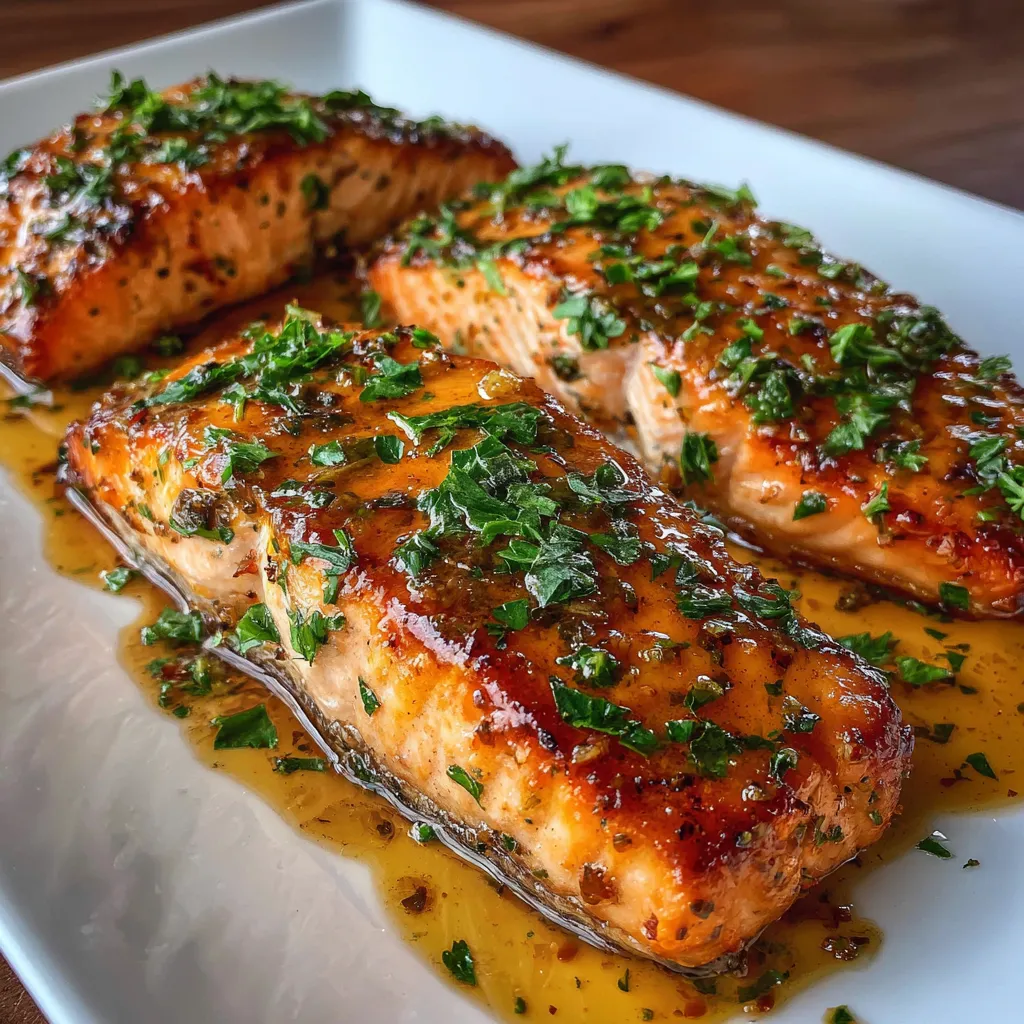

Sheet Pan Maple Dijon Glazed Salmon
Description
Tangy Dijon mustard and sweet maple syrup transform salmon fillets into a glossy, caramelized roast. A quick bake and broil yields tender, flaky fish with sticky edges and deep savory-sweet flavor.
Ingredients
Instructions
-
Preheat the oven to 400°F and line a sheet pan with parchment paper or lightly grease it.
-
In a small bowl whisk together Dijon mustard, maple syrup, soy sauce, minced garlic, and olive oil until smooth.
-
Place salmon fillets skin-side down on the prepared sheet pan and season lightly with salt and pepper.
-
Brush two-thirds of the maple Dijon glaze evenly over the top of the salmon fillets.
-
Bake in the preheated oven for 10–12 minutes, until salmon is just opaque in the center.
-
Remove the sheet pan, brush on the remaining glaze, then switch to broil and cook 1–2 minutes more until caramelized.
-
Let the salmon rest for a couple of minutes before serving.
Note
- Use pure maple syrup for the best depth of flavor.
- Keep an eye under the broiler to prevent burning the glaze.
- Add trimmed asparagus or green beans to the same pan for a one-sheet meal.
- Leftover salmon is excellent flaked into salads or sandwiches.

