

There’s something irresistibly inviting about a bubbling pot of Spicy Nigerian Chicken Stew simmering on the stove. As the rich tomato base melds with earthy ginger and garlic, and a bold blend of curry and thyme dances on your senses, you’re instantly transported to a cozy family kitchen bursting with warmth and flavor. This hearty stew, with its tender chicken pieces bathed in a vibrant red sauce, is the kind of comfort food that both soothes and excites the palate. It’s a beautiful balance of heat from dried chilies, the sweetness of fresh tomatoes, and an underlying depth brought by slow simmering. Whether you’re cooking for a festive gathering with friends or simply treating your loved ones to a midweek feast, this stew delivers that satisfying combination of robust spice and homestyle comfort. As steam curls from the pot, your kitchen transforms into a fragrant haven where anticipation builds with each stir of wooden spoon against the pot.
Reflecting on my own childhood, I remember rushing home after school, drawn downstairs by the wafting scents of sizzling onions and rich tomato paste. Every Sunday, my aunt would make a generous vat of this stew, cooking it slowly until the oil separated and signaled that all the flavors had married perfectly. We’d gather around a large platter of steaming rice or fluffy pounded yam, eager to dive in and see who could scoop the juiciest piece of chicken. Even now, preparing this dish brings back those fond memories—laughing with cousins as we dipped bread into the thick sauce, our eyes watering a little from the gentle sting of chili. If you’re ready to create your own kitchen memories, let’s dive into the magic behind this heartwarming Spicy Nigerian Chicken Stew!
KEY INGREDIENTS IN SPICY NIGERIAN CHICKEN STEW
Every memorable stew starts with quality ingredients that work together to create layers of flavor. Below are the essential components that give this Spicy Nigerian Chicken Stew its signature taste and comforting appeal.
- Chicken
Bone-in pieces provide juicy texture and depth. As the meat simmers, it absorbs the vibrant tomato-spice sauce, ensuring each bite is bursting with savory goodness.
- Tomatoes
A smooth puree of fresh tomatoes brings natural sweetness and tang. This vibrant red base forms the heart of the stew, balancing the heat from chilies and aromatic spices.
- Onion
When sautéed to translucence, onions add subtle sweetness and a foundational layer of flavor that complements the garlic and ginger.
- Dried Red Chilies
These chilies introduce varying levels of heat and a fruity, smoky undertone. Adjust the number or remove seeds to control the spice.
- Garlic
Minced garlic contributes a pungent kick that melds beautifully with ginger, enhancing the stew’s aromatic profile.
- Ginger
Fresh minced ginger brightens the sauce with gently spicy, citrusy notes, cutting through the richness.
- Vegetable Oil
This neutral oil is perfect for searing and sautéing, helping flavors bloom without overpowering the other ingredients.
- Tomato Paste
Concentrated tomato paste deepens the color and intensifies the umami, creating a luscious, thick sauce.
- Green Bell Pepper
Added toward the end, these peppers lend a pop of color, mild sweetness, and light crunch, balancing the stew’s richness.
- Chicken Stock or Water
Provides the liquid medium for simmering, transforming concentrated ingredients into a silky, sip-worthy sauce.
- Thyme
Earthy and slightly minty, dried thyme infuses the stew with warm, herbal depth.
- Curry Powder
A blend of spices that adds complexity and a hint of exotic warmth, rounding out the flavor profile.
- Salt
Essential for seasoning, it enhances every other taste and brings harmony to the stew.
- Fresh Basil or Parsley
A bright garnish that adds a fresh, herbal finish, cutting through the stew’s richness.
HOW TO MAKE SPICY NIGERIAN CHICKEN STEW
Bringing together these ingredients is straightforward, but each step is crucial for building that signature depth of flavor. Follow these instructions for a stew that’s vibrant, rich, and unforgettable.
1. Prepare and Marinate the Chicken
Begin by thoroughly cleaning your chicken pieces and patting them dry with paper towels. In a bowl, combine salt, minced garlic, minced ginger, dried thyme, and curry powder. Rub this seasoning mix all over the chicken, ensuring every piece is coated. Cover and let it marinate for at least 30 minutes—this marination step is key to infusing the chicken with layered flavor.
2. Sear the Chicken
In a large pot or Dutch oven, heat vegetable oil over medium-high heat until shimmering. Carefully lay the marinated chicken pieces in a single layer and sear them on all sides until they develop a golden-brown crust. This browning adds depth of flavor and texture. Once seared, remove the chicken and set aside.
3. Build the Tomato Base
In the same pot, add chopped onions and sauté for 3–4 minutes until they become translucent and fragrant. Stir in the blended tomato puree and tomato paste. Cook this mixture for about 10 minutes, stirring occasionally to prevent sticking. You’ll notice the sauce begin to darken and thicken as water evaporates.
4. Incorporate Chilies
Add the dried red chilies to the tomato mixture. If you prefer a milder stew, remove the seeds before tossing them in. Continue cooking for another 10 minutes, until the sauce thickens further and the oil starts to visibly separate from the tomato.
5. Simmer with Chicken
Return the seared chicken pieces to the pot, stirring gently to coat them in the rich sauce. Pour in just enough chicken stock or water to cover the chicken. Bring to a gentle simmer, allowing the flavors to meld.
6. Add Bell Pepper and Cook Through
Stir in the chopped green bell pepper, then cover the pot and reduce heat to low. Let the stew simmer for 30–40 minutes, or until the chicken is tender and cooked through, and the sauce is glossy and well-reduced.
7. Season to Taste
Remove the lid and taste your stew. Adjust seasoning with additional salt if needed. For extra heat, toss in some chopped fresh chilies or a dash of chili powder now.
8. Finish and Serve
When ready, garnish with fresh basil or parsley to add brightness. Serve hot alongside rice, yam, or your favorite side dish for a complete, soul-satisfying meal.
SERVING SUGGESTIONS FOR SPICY NIGERIAN CHICKEN STEW
Serving this Spicy Nigerian Chicken Stew is all about maximizing its vibrant flavors and showcasing the rich sauce. Whether you want a traditional presentation or a modern twist, these suggestions will help you plate and enjoy your stew in style and comfort.
- With Steamed White Rice
Pile a generous scoop of fluffy steamed rice onto a plate and ladle the stew on top. The rice soaks up every drop of the spicy tomato sauce, creating a comforting base that balances the heat.
- Alongside Pounded Yam
Create soft, smooth pounded yam by boiling yam chunks until tender and then pounding until elastic. Tear off small balls of yam and scoop up the stew, relishing the pillowy texture against the rich sauce.
- Served with Fried Plantains
Fry ripe plantain slices until edges caramelize and turn golden. The sweet, tender plantains provide a delicious contrast to the savory, spicy stew—every bite becomes a delightful play of flavors.
- Family-Style in a Large Bowl
For a casual gathering, transfer the stew into a wide serving bowl. Surround it with separate bowls of rice, fufu, or bread. Let guests help themselves and encourage conversation around the communal pot.
HOW TO STORE SPICY NIGERIAN CHICKEN STEW
Properly storing your stew ensures that you can savor leftovers without sacrificing taste or texture. Follow these tips to keep your Spicy Nigerian Chicken Stew fresh, flavorful, and ready for quick reheating on busy days.
- Refrigerator Storage
Allow the stew to cool to room temperature before transferring it into an airtight container. Store in the fridge for up to 3 days. When reheating, warm gently on the stove over medium-low heat, stirring occasionally to prevent scorching and to restore the sauce’s silky consistency.
- Freezer-Friendly Portions
Divide the stew into meal-sized freezer-safe bags or containers, leaving a little headspace for expansion. Freeze for up to 2 months. To reheat, thaw in the refrigerator overnight, then warm in a pot, adding a splash of water or stock to revive the sauce’s texture.
- Vacuum Sealing
For longer-term storage, use a vacuum sealer to remove air and seal the stew in durable bags. Label with the date and freeze for up to 3 months. Thaw and reheat as above for near-fresh taste.
- Glass vs. Plastic Containers
If using glass containers, allow them to cool before closing the lid to prevent warping. Glass preserves flavors without retaining odors, making it ideal for reheating in the oven or microwave.
CONCLUSION
This Spicy Nigerian Chicken Stew is more than just a meal; it’s a celebration of flavor, culture, and the joy of sharing good food with loved ones. From the first step of marinating the chicken in aromatic spices to the final garnish of fresh basil or parsley, each stage builds layers of richness and warmth. Whether you’re a seasoned home cook or a kitchen novice, you’ll find that this recipe is approachable yet deeply rewarding. Remember to print this article or save it to your favorite recipe collection so you can revisit these instructions whenever a craving for bold, tomato-based comfort strikes.
I’ve shared serving tips, storage advice, and a detailed how-to to ensure your stew turns out perfectly every time. If questions pop up while you’re chopping, sautéing, or simmering, know that you’re not alone—feel free to leave comments or ask for help. You might have noticed a FAQ section below (it’s waiting for you!), and I’m eager to hear how your dish turned out. Did you pair yours with pounded yam or try it over plantains? Drop a note, share your experience, or suggest your own twists. Your feedback helps everyone in this cooking community learn and grow. Happy cooking, and may your kitchen be filled with the comforting warmth of this heartwarming stew!
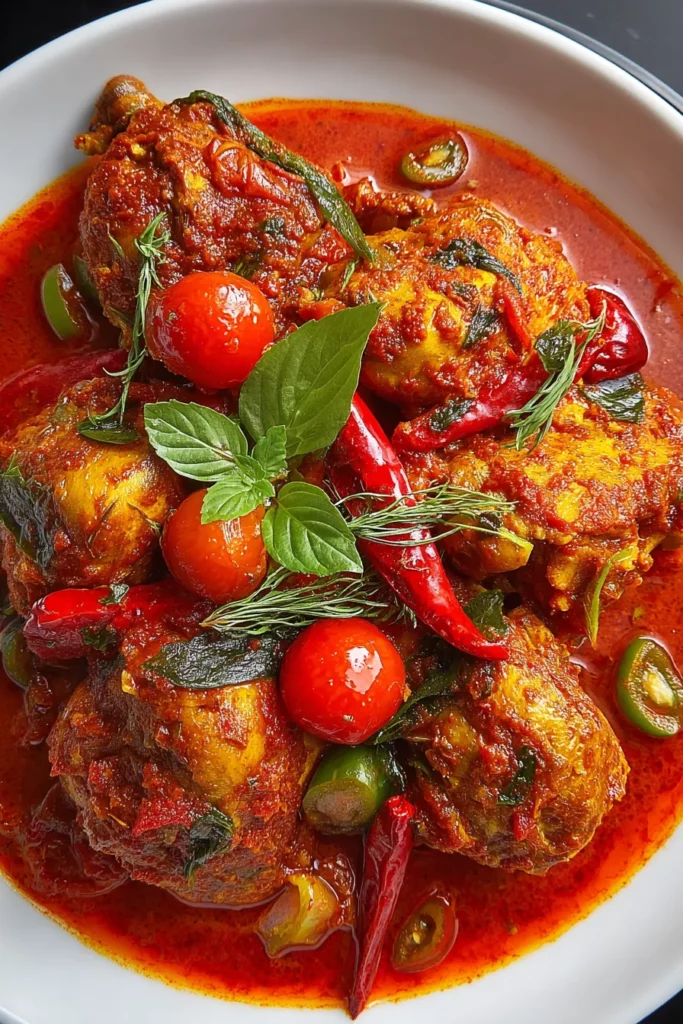

Spicy Nigerian Chicken Stew
Description
This aromatic stew, bursting with spicy and savory flavors, showcases tender chicken simmered in a rich tomato base, infused with garlic and ginger. Perfect with rice or yam!
Ingredients
Instructions
-
Begin by cleaning the chicken pieces thoroughly and patting them dry with paper towels. Season the chicken with salt, garlic, ginger, thyme, and curry powder. Allow it to marinate for at least 30 minutes for better flavor.
-
In a large pot or Dutch oven, heat the vegetable oil over medium-high heat. Once hot, carefully add the marinated chicken pieces to the pot. Sear the chicken on all sides until golden brown, then remove and set aside.
-
In the same pot, add the chopped onions and sauté until they become translucent, about 3-4 minutes. Stir in the blended tomato puree and tomato paste, cooking for about 10 minutes while stirring occasionally to prevent burning.
-
Add the dried red chilies to the tomato mixture. For a milder stew, you can remove the seeds from the chilies prior to adding them. Continue to cook for another 10 minutes until the sauce thickens and the oil starts to separate from the tomato.
-
Return the seared chicken to the pot, stirring to coat the chicken pieces with the sauce. Pour in the chicken stock or water until the chicken is just covered. Bring to a gentle simmer.
-
Add the chopped green bell pepper to the stew and cover the pot. Let it simmer on low heat for about 30-40 minutes, or until the chicken is cooked through and tender.
-
Taste the stew and adjust the seasoning, adding more salt if necessary. If you prefer a spicier stew, you can add additional chopped chilies or chili powder at this stage.
-
Once ready, garnish the stew with fresh basil or parsley if desired, and serve hot with rice, yam, or any preferred side dish.
Note
- This stew can be made ahead of time as it tastes even better the next day.
- You can customize the heat level by adjusting the number of chilies used.
- For added richness, consider adding a tablespoon of peanut butter for a nutty flavor.
- Leftovers can be stored in an airtight container in the refrigerator for up to 3 days.

