

These Spicy Vegetarian Szechuan Noodles are a game-changer when you need a quick, flavor-packed meal that feels both comforting and adventurous. With just 15 minutes of prep time and another 15 minutes on the stove, this beginner-friendly recipe transforms simple pantry staples into a dazzling fusion of textures and tastes. The chewy wheat or egg noodles cradle a bold sauce spiked with crushed Szechuan peppercorns, chili paste, and sesame oil, delivering that signature tingle and heat. Fresh vegetables add pops of color and crisp-tender bite, while hints of garlic, ginger, and rice vinegar tie everything together in a symphony of savory, tangy, and spicy notes.
Weeknight dinners never have to be dull again. Whether you’re cooking for a crowd or simply treating yourself to a nourishing lunch, these noodles hit all the right marks for course versatility—perfect as a stand-alone lunch or a satisfying dinner. At roughly 400 calories per serving, you’ll feel energized rather than weighed down, and the dish stores beautifully for a satisfying next-day meal or a cold spicy pasta salad. Savor the bold flavors of Szechuan cuisine with these spicy vegetarian noodles, packed with vibrant veggies and a zesty sauce!
Szechuan cooking is all about bold contrasts, and this recipe is no exception. Experience a fiery fusion of garlic, ginger, and Szechuan peppercorns that come together in these delicious noodles, perfectly crisp-tender with a hint of spice. From the first forkful, you’ll taste the lively buzz of the peppercorns, the mellow warmth of sesame oil, and the gentle crunch of fresh broccoli and carrots. I still remember the first time I whipped up this dish for friends—they kept asking for seconds, reaching for peanuts and cilantro to customize each bite. By the end of the meal, the noodles were gone, but the memories lingered in every spicy, numbing sensation.
KEY INGREDIENTS IN SPICY VEGETARIAN SZECHUAN NOODLES
Every great dish starts with standout ingredients that play together in harmony. For these spicy vegetarian Szechuan noodles, we lean on a mix of pantry essentials and fresh produce to build layers of flavor, texture, and aroma. Here’s what you’ll need and why each element matters:
- Dried wheat or egg noodles
These form the hearty base of the dish, offering a chewy, satisfying bite that soaks up the zesty sauce. Choose egg noodles for extra richness or stick to wheat noodles for a lighter feel.
- Vegetable oil
A neutral-flavored oil that heats quickly, allowing you to stir-fry vegetables without burning. It helps in creating that perfect sear on broccoli and peppers.
- Garlic
Minced garlic provides pungent depth and savory warmth. When sautéed briefly, it releases aromatics that become the foundation of the sauce.
- Ginger
Fresh ginger adds a sharp, spicy-sweet note that balances the heat of the Szechuan peppercorns. It brightens up the entire dish.
- Red bell pepper
Thinly sliced, it contributes vibrant color and a natural sweetness that contrasts the spice, plus a light crunch if not overcooked.
- Broccoli florets
These little green crowns bring earthiness and fiber. Their florets capture sauce in their nooks, ensuring every bite is flavorful.
- Carrot
Julienned carrot introduces a mild, sweet crunch and a splash of orange color, enhancing the veggie variety.
- Green onions
Chopped and tossed in at the end, they offer fresh, oniony brightness, a final pop of texture, and visual appeal.
- Soy sauce
Provides salty, umami richness as the backbone of the sauce. It deepens the overall flavor profile.
- Rice vinegar
Adds a light acidity that cuts through the richness, balancing the savory and spicy elements with a tangy lift.
- Szechuan peppercorns
Crushed for maximum effect, these deliver the signature numbing sensation and a citrusy, floral note that defines Szechuan cuisine.
- Chili paste or sauce
Customize the heat level here. A teaspoon gives a gentle kick, while more will ramp up the spiciness to satisfy heat seekers.
- Sesame oil
Added to the sauce, this oil contributes a nutty fragrance and smooth, silky mouthfeel that ties all flavors together.
- Sugar
A pinch of sweetness to round out the sauce, mellowing the spiciness and bringing harmony to the savory elements.
- Roasted peanuts (optional)
Chopped peanuts introduce a crunchy contrast and earthy aroma. They’re optional but highly recommended for texture.
- Fresh cilantro (optional)
Used as a garnish, cilantro adds a burst of herbal brightness and emerald color to each plate.
HOW TO MAKE SPICY VEGETARIAN SZECHUAN NOODLES
Let’s roll up our sleeves and dive into the step-by-step process of turning your kitchen into a Szechuan noodle bar. We’ll cook noodles to perfect al dente texture, stir-fry vibrant vegetables, whip up a zesty sauce, and bring it all together in a sizzling skillet. Follow these instructions closely, and you’ll have a restaurant-quality dish in under 30 minutes!
1. Bring a large pot of water to a rolling boil. Add the dried noodles and cook following package directions until they reach a tender-yet-firm al dente consistency. Drain the noodles thoroughly, then set them aside in a colander to prevent sticking.
2. Heat the vegetable oil in a spacious skillet or wok over medium heat. Once the oil shimmers, add the minced garlic and ginger. Sauté for about 30 seconds, stirring constantly, until the mixture is fragrant and golden but not burnt.
3. Toss in the red bell pepper slices, broccoli florets, and julienned carrot. Stir-fry the vegetables for 4–5 minutes, ensuring they become tender-crisp—bright in color, slightly softened, yet still holding their crunch.
4. In a small mixing bowl, whisk together soy sauce, rice vinegar, crushed Szechuan peppercorns, chili paste, sesame oil, and sugar. Blend until the sugar dissolves and the sauce emulsifies into a smooth, glossy mixture.
5. Transfer the cooked noodles into the skillet with the vegetables. Pour the prepared sauce evenly over the top. Use tongs or a spatula to toss everything together, coating each strand of noodle and vegetable piece. Continue to cook for another 2–3 minutes, allowing flavors to meld and ingredients to heat through.
6. Sprinkle in the chopped green onions and give the skillet one final toss to distribute them evenly. Taste and adjust the seasoning—add extra chili paste for more heat or a splash of soy sauce for saltiness.
7. Serve the noodles straight from the pan, garnished with chopped roasted peanuts for crunch and fresh cilantro leaves for a burst of herbal brightness, if desired.
SERVING SUGGESTIONS FOR SPICY VEGETARIAN SZECHUAN NOODLES
To elevate these noodles from a simple weeknight supper to a memorable feast, presentation and accompanying elements matter. Whether you’re hosting friends or enjoying a solo treat, these serving tips will bring out the best in this spicy vegetarian dish. Consider plating style, complementary sides, and drinks that play off those bold Szechuan flavors.
- Layered in a bowl: Create height by twirling noodles onto the center of a deep bowl. Arrange vegetables on one side and sprinkle peanuts and cilantro on top. The layered look not only photographs beautifully but keeps ingredients distinct until mixed at the table.
- Accompanied by a light soup: Balance the spicy kick with a soothing broth like miso soup or a simple vegetable consommé. The mild, umami-rich soup provides contrast, making each bite of noodles even more satisfying.
- Served with pickled vegetables: Offer a side of quick-pickled cucumbers or radishes to introduce tangy crunch. The acidity helps cleanse the palate between spicy bites and adds an extra dimension of flavor.
- Paired with a chilled beverage: A crisp lager, a lightly sweet iced tea, or a sparkling water infused with citrus slices will help cool your mouth and complement the dish’s heat. The refreshing sip is a delightful counterpoint to the numbing Szechuan peppercorns.
HOW TO STORE SPICY VEGETARIAN SZECHUAN NOODLES
Storing your leftover Szechuan noodles properly ensures they stay vibrant, fresh, and just as delicious when reheated or enjoyed cold. With the right techniques, you can prepare this dish ahead of time, pack it for lunches, or freeze for quick future meals. Follow these guidelines to maintain the perfect texture and flavor balance.
- Refrigerate in an airtight container: Once cooled to room temperature, transfer the noodles into a sealed container. Store in the fridge for up to three days. The airtight environment preserves moisture and prevents flavors from absorbing other fridge odors.
- Separate sauce for reheating: If you plan to reheat servings, consider storing the sauce separately. Reheat the drained noodles and vegetables in a skillet with a small drizzle of oil, then stir in the warmed sauce at the end to restore that freshly tossed texture.
- Freeze for longer storage: For meal prep, place portions in freezer-safe bags or containers. Freeze flat for easy stacking. Thaw overnight in the fridge, then reheat on the stove, adding a splash of water or broth to revive the sauce’s consistency.
- Enjoy cold as a salad: No reheating required—these noodles transform into a spicy pasta salad. Keep garnishes like peanuts and cilantro in separate small containers to add just before serving, preserving their crunch and freshness.
CONCLUSION
Bringing together chewy noodles, crisp-tender vegetables, and a fiery, tongue-tingling sauce, these Spicy Vegetarian Szechuan Noodles promise a symphony of flavors in every mouthful. With simple pantry staples, fresh produce, and straightforward techniques, you’ve learned how to whisk up a beginner-friendly dish in just 30 minutes. From the crushed Szechuan peppercorns that create that iconic numbing buzz to the nutty finish of sesame oil, this recipe delivers an authentic taste of Szechuan cuisine right in your own kitchen. Remember, the vibrant red pepper and green broccoli aren’t just for color—they provide textures that keep each bite exciting and balanced. Whether you’re cooking for a casual family dinner, meal prepping for the week, or aiming to impress friends at a potluck, this recipe scales beautifully and holds up well as leftovers, too.
Feel free to print and save this article for quick reference whenever you’re craving something spicy, satisfying, and vegetable-packed. You can also find a FAQ below to answer any burning questions about substitutions, spice adjustments, or storage tips. I’d love to hear how your version turns out—drop a comment if you have questions, feedback, or stories about how this recipe became a new favorite in your kitchen. Happy cooking, and here’s to many more delicious adventures!
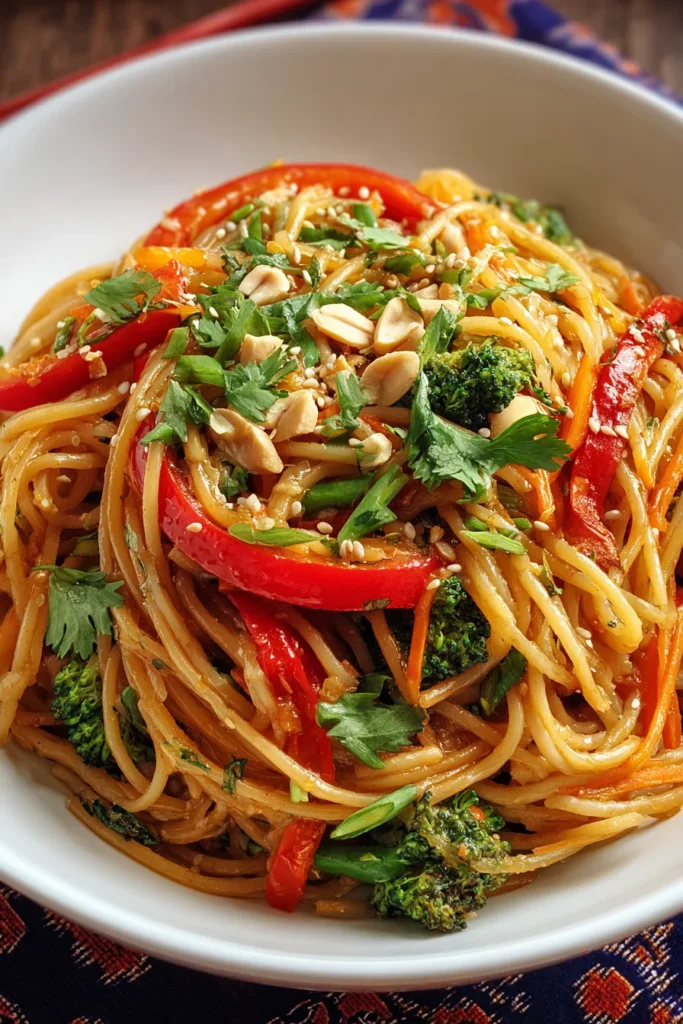

Spicy Vegetarian Szechuan Noodles
Description
Experience a fiery fusion of garlic, ginger, and Szechuan peppercorns that come together in these delicious noodles, perfectly crisp-tender with a hint of spice.
Ingredients
Instructions
-
Bring a large pot of water to a boil. Add the noodles and cook according to package instructions until al dente. Drain and set aside.
-
In a large skillet or wok, heat the vegetable oil over medium heat. Add the minced garlic and ginger, cooking until fragrant, about 30 seconds.
-
Add the red bell pepper, broccoli, and carrot to the skillet. Stir-fry for about 4-5 minutes, until the vegetables are just tender-crisp.
-
In a small bowl, whisk together the soy sauce, rice vinegar, crushed Szechuan peppercorns, chili paste, sesame oil, and sugar until well combined.
-
Add the cooked noodles to the skillet with the vegetables. Pour the sauce over the noodles and toss everything together to combine and heat through, about 2-3 minutes.
-
Add the chopped green onions and toss once more. Adjust seasoning if necessary, adding more chili paste or soy sauce to taste.
-
Serve the noodles hot, garnished with roasted peanuts and fresh cilantro if desired.
Note
- Szechuan peppercorns have a unique numbing sensation that shouldn't be missed, but can be substituted with black pepper if unavailable.
- Feel free to add more vegetables like snow peas or mushrooms for a varied texture.
- The dish can be cooled, stored in an airtight container, and enjoyed cold the next day as a spicy pasta salad.
- To make it gluten-free, use gluten-free soy sauce and noodles of your choice.

