

Gourmet Lobster Linguine with Champagne Cream Sauce brings restaurant flair to your kitchen with tender lobster chunks enveloped in a velvety Champagne cream that clings to al dente linguine. Bright lemon zest, nutty Parmigiano, and aromatic shallots make every bite an elegant adventure. Whether you’re celebrating a milestone or craving a gourmet treat, this advanced-level dinner is worth every step. Ready to whip up a show-stopping pasta feast? Let’s dive in!
Key Ingredients
Before you start cooking, gather these star ingredients to build layers of flavor:
- 12 oz (340 g) dried linguine: the perfect pasta base that soaks up the creamy sauce while remaining al dente.
- 2 whole cooked lobsters (about 1½ lb / 680 g each) or 1 lb (450 g) cooked lobster meat (claws, knuckles, tail), roughly chopped: succulent seafood centerpiece bursting with sweetness.
- 3 tbsp unsalted butter, divided: rich fat for sautéing aromatics and finishing the sauce with luxury.
- 2 tbsp extra-virgin olive oil: high-quality oil for a silky sauté base that adds fruity depth.
- 3 shallots, very finely minced: sweet, mild onion flavor that softens beautifully without overpowering.
- 3 garlic cloves, minced: aromatic punch that infuses the sauce with savory warmth.
- 1 cup (240 ml) good-quality dry Champagne or sparkling wine (Brut): adds bright acidity and toasty, fruity notes when reduced.
- 1 cup (240 ml) heavy cream: creates a velvety texture and luxurious body in the sauce.
- 1/2 cup (120 ml) seafood or lobster stock (optional but recommended; can substitute chicken stock): deepens the seafood flavor and balances the richness.
- 1/2 cup (50 g) freshly grated Parmigiano-Reggiano cheese, plus extra for serving: nutty, savory cheese that thickens and enriches the sauce.
- 1 tsp Dijon mustard: subtle tang and emulsifying agent for a smooth, cohesive sauce.
- 1/4 tsp crushed red pepper flakes (optional, to taste): gentle heat that enhances depth without overwhelming.
- Zest of 1 lemon (finely grated): bright citrus aroma to lighten and uplift the rich cream.
- Juice of 1/2 lemon (about 1–2 tbsp), plus more to taste: fresh acidity to balance the creamy, buttery notes.
- 1/4 cup (60 ml) dry white wine (optional, for deglazing if pan needs extra liquid): extra deglazing liquid to lift flavorful bits from the pan.
- 2 tbsp fresh parsley, finely chopped: herbaceous finish that adds color and freshness.
- 1 tbsp fresh chives, finely snipped (optional): mild oniony garnish for a delicate finishing touch.
- Fine sea salt, to taste: essential seasoning to bring out every flavor.
- Freshly ground black pepper, to taste: warming spice to complement the creamy sauce.
- 1–2 tbsp unsalted butter, cold, cut into small cubes (for mounting the sauce, optional but luxurious): final sauce enrichment for a glossy, silky finish.
- Extra chopped parsley and chives: fresh garnish for vibrant color and flavor.
- Lemon wedges: serve on the side for an extra burst of citrus.
- Extra grated Parmigiano-Reggiano: offer at the table to sprinkle on top for added nuttiness.
- A drizzle of good extra-virgin olive oil (optional): finish with fruity richness and sheen.
How To Make Gourmet Lobster Linguine with Champagne Cream Sauce
Bringing Gourmet Lobster Linguine with Champagne Cream Sauce to life is all about layering flavors and timing. You’ll start by prepping the lobster and cooking the linguine just until al dente. Then you’ll build a flavorful sauce by sautéing aromatics, deglazing with Champagne, and stirring in cream, stock, and cheese until silky. Gently fold in the lobster, marry everything with the pasta, and finish with a flourish of cold butter cubes for extra gloss. Follow each step closely, and you’ll end up with a restaurant-quality seafood pasta that dazzles the senses.
1. Prepare the lobster: If your lobsters are already cooked, twist off claws and knuckles, then remove the tail. Use a lobster cracker or the back of a heavy knife to crack the shells carefully, then gently extract all the meat. Chop into bite-sized pieces, reserving a few larger claw chunks for garnish. Pat the lobster meat dry with paper towels if it’s too moist, then cover and chill it in the fridge while you work on the sauce.
2. Cook the linguine: Bring a large pot of well-salted water to a rapid boil—it should taste like the sea. Add the linguine, stir, and cook according to the package until just al dente. Reserve about 1½ cups (360 ml) of the starchy pasta water, then drain and toss the pasta with a light drizzle of olive oil to prevent sticking. Set aside until you’re ready to combine it with the sauce.
3. Start the base of the sauce: In a large, wide sauté pan, heat 2 tablespoons of butter and 2 tablespoons of olive oil over medium heat. Add the minced shallots and a pinch of salt; sauté for 3–4 minutes until softened and translucent but not browned. Add the minced garlic and cook for 30–45 seconds, stirring constantly, until just aromatic.
4. Deglaze with Champagne: Carefully pour in the Champagne or sparkling wine, using a wooden spoon to scrape up any flavorful brown bits from the pan’s bottom. Increase the heat to medium-high and let the wine simmer briskly for 5–7 minutes, reducing by about half. This concentrates the toasty, fruity notes while cooking off most of the alcohol.
5. Add stock and cream: Lower the heat to medium and pour in the seafood or lobster stock, allowing it to simmer gently for 2–3 minutes. Stir in the heavy cream, bringing the mixture to a soft simmer. Cook for an additional 4–6 minutes, until the sauce has thickened slightly and can coat the back of a spoon.
6. Flavor the sauce: Whisk in the Dijon mustard and red pepper flakes, then stir in the lemon zest and start with 1 tablespoon of lemon juice. Season sparingly with salt and black pepper, remembering that the cheese and lobster will add extra saltiness. Taste and adjust acidity or seasoning as needed to achieve a balanced, tangy-scented sauce.
7. Incorporate the cheese: Reduce the heat to low and gradually sprinkle in the grated Parmigiano-Reggiano, stirring constantly so it melts smoothly into the cream. If the sauce tightens up too much, loosen it with a splash of the reserved pasta water until it’s luxuriously pourable.
8. Warm the lobster meat: Add the chopped lobster pieces to the pan, reserving those special claw chunks for plating. Gently fold the meat into the sauce over low heat for 2–3 minutes—just enough to warm it through without overcooking.
9. Marry the pasta and sauce: Transfer the cooked linguine into the pan, then use tongs to gently toss every strand in the Champagne cream sauce. If the pasta seems dry, splash in more reserved pasta water a few tablespoons at a time until you achieve a glossy, clingy coating. Stir in the chopped parsley and chives for a fresh herb finish.
10. Optional sauce enrichment (restaurant-style finish): Remove the pan from heat and add the cold butter cubes. Swirl or toss vigorously until the butter melts and emulsifies into the sauce, intensifying its silkiness and shine.
11. Final seasoning and balance: Give the pasta a final taste, adjusting with extra salt, pepper, or a squeeze of lemon juice as desired. For a thinner flow, add one more splash of hot pasta water and toss briefly over low heat.
12. Plate the dish: Use a fork and spoon to twirl portions of linguine into shallow bowls or plates. Spoon additional lobster pieces and sauce over the top, then garnish with reserved claw meat, extra Parmigiano-Reggiano, parsley, chives, and a drizzle of olive oil if you like. Serve immediately with lemon wedges on the side.
Serving Suggestions
Serving your Gourmet Lobster Linguine with Champagne Cream Sauce is almost as fun as cooking it. Whether you’re hosting a special celebration or craving a cozy, elevated weeknight meal, these thoughtful pairing and presentation ideas will ensure your dinner feels truly memorable. From crisp, fresh accompaniments to the perfect glass of bubbles, incorporating simple touches elevates every bite. Read on for four elegant and tasty serving suggestions that will highlight the luxurious finish of this seafood pasta and keep your guests asking for more.
- Crisp Green Salad: Toss peppery arugula or mixed baby greens with a simple vinaigrette of olive oil, lemon juice, and a pinch of sea salt to balance the rich cream sauce with fresh, tangy contrasts.
- Crusty Baguette Slices: Warm slices of baguette or ciabatta brushed with olive oil, then toasted until golden, make ideal vehicles for sopping up every last drop of the Champagne cream.
- Champagne or Sparkling Wine: Serve the same dry Brut Champagne used in the sauce chilled in flutes; its lively acidity and bubbles will cut through the richness and create a harmonious pairing.
- Warm Bowls and Plates: Preheat your serving bowls in a low oven or with hot water, then dry them thoroughly. Warm dinnerware helps keep the pasta silky and prevents the sauce from firming up too quickly on the plate.
Tips For Perfect Gourmet Lobster Linguine with Champagne Cream Sauce
Mastering Gourmet Lobster Linguine with Champagne Cream Sauce is as much about fine-tuning details as it is about savoring seaside flavors. From selecting the perfect Brut Champagne to coaxing maximum flavor from lobster shells, these pointers will save you time and elevate every bite. Be mindful of your sauce’s texture as it reduces—too thick and it’ll stiffen around the pasta, too thin and it won’t coat properly. Warming your serving bowls prevents the cream from firming up too quickly, while a quick homemade lobster stock deepens the seafood character. And if guests want an extra splash of bubbles, have that bottle on ice and ready to pour. Follow these friendly tips to turn a special-occasion dinner into an effortless culinary highlight.
- For the best flavor, choose a dry Brut Champagne or quality dry sparkling wine; avoid sweet varieties.
- You can substitute high-quality shrimp or scallops for part of the lobster or to stretch the dish for more guests.
- If using raw lobster, steam or boil just until opaque and tender, then chill briefly before shelling to keep the meat juicy.
- For a deeper seafood note, simmer lobster shells with a bit of butter, onion, and water for 20–30 minutes to create a quick homemade lobster stock.
- Do not over-reduce the sauce; it will thicken more after adding cheese and tossing with pasta.
- Warm your serving bowls before plating to keep the sauce silky and prevent it from thickening too quickly.
- Pair this dish with the same Champagne or sparkling wine used in the sauce for a harmonious, restaurant-quality experience.
How To Store It
After enjoying every decadent forkful, you might find yourself with a bit of leftover lobster linguine—and I’ve got you covered on how to store it without losing its signature creaminess and flavor. Proper cooling, careful container choices, and gentle reheating will preserve the pasta’s texture and the sauce’s luxurious consistency. Whether you plan to enjoy it the next day or save some for midweek indulgence, these storage methods will keep your dish tasting as fresh as the day you made it.
- Refrigerate Promptly: Transfer cooled linguine into an airtight container and refrigerate within two hours of cooking. Use within 2–3 days for best flavor and texture.
- Separate Sauce if Possible: If you expect leftovers, store pasta and sauce in two containers; combine and gently reheat later to prevent the noodles from absorbing too much liquid.
- Freeze in Portions: For longer storage, freeze cooled pasta and sauce in freezer-safe bags or containers. Remove excess air, then freeze for up to one month.
- Gentle Reheating: Thaw frozen portions overnight in the fridge (if applicable). Warm in a wide skillet over low heat with a splash of cream or reserved pasta water, stirring until the sauce loosens and coats the pasta.
Frequently Asked Questions
Got questions? Here are answers to common curiosities about making and enjoying this luxurious lobster linguine.
- How long does it take to prepare and cook the Gourmet Lobster Linguine with Champagne Cream Sauce?
From start to finish, plan for about 45–60 minutes. Preparing and shelling the lobster takes 10–15 minutes, cooking the linguine and making the sauce takes 25–30 minutes, and tossing everything together and plating adds another 10 minutes.
- Can I use raw lobster instead of cooked lobster, and how should I prepare it?
Yes. Steam or boil the raw lobster for 8–10 minutes until the shells turn bright red and the meat is opaque. Immediately transfer to an ice bath to stop cooking and keep the meat tender. Then shell, chop, pat dry, and use as directed, warming gently in the sauce for 2–3 minutes.
- What can I substitute if I don’t have Champagne or sparkling wine?
If you don’t have Champagne, use a good-quality dry sparkling wine (Brut) or a dry white wine such as Sauvignon Blanc. Avoid sweet varieties. The flavor will be slightly different but will still yield a bright, toasty acidity in the sauce.
- How do I ensure the sauce remains silky and doesn’t separate?
Keep heat at a gentle simmer, avoid boiling once the cream is added, and stir constantly when incorporating the cheese. If the sauce becomes too thick or begins to break, whisk in a few tablespoons of reserved hot pasta water. Finishing off with cold butter cubes off the heat will further emulsify and enrich the sauce.
- Can I make the lobster stock at home if I don’t have store-bought stock?
Yes. Simmer the empty lobster shells with 1 tbsp butter, 1/2 onion (chopped), and enough water to cover for 20–30 minutes. Strain and use the resulting lobster stock in place of seafood or chicken stock for a deeper, more authentic seafood flavor.
- What’s the best way to reheat leftovers without overcooking the lobster?
Reheat gently in a wide skillet over low heat. Add a splash of cream or reserved pasta water to loosen the sauce, then add the pasta and lobster pieces. Stir gently just until warmed through—about 2–3 minutes—to avoid toughening the lobster.
- How should I season the dish to achieve the right flavor balance?
Season gently at each stage: a pinch of salt with the shallots, a little pepper when adding lemon juice and mustard, then taste and adjust after adding cheese and pasta. The lobster and cheese contribute saltiness, so add more salt or lemon juice at the end if you want brighter acidity or savory depth.
- What wine pairs best with this dish?
The ideal pairing is the same dry Champagne or sparkling wine used in the sauce for harmony. Otherwise, choose a crisp, unoaked Chardonnay, a dry prosecco, or a light-bodied white like Vermentino to complement the rich cream sauce without overpowering the delicate lobster.
What Makes This Special
From the moment you deglaze with bubbly Champagne to the final swirl of cold butter, every detail of this Gourmet Lobster Linguine with Champagne Cream Sauce is designed to deliver maximum flavor and elegance. The combination of tender lobster meat, bright citrus, and nutty Parmigiano creates layers of taste that dance on the palate, while the Champagne’s gentle acidity lifts the richness of the cream. This dish works because it balances luxury with achievable techniques—any confident home cook can replicate the magic. So print this guide, stash it in your recipe box, and come back whenever you want to wow the table. Questions, tweaks, or rave reviews? Drop a comment below and let’s chat about your lobster linguine triumphs!
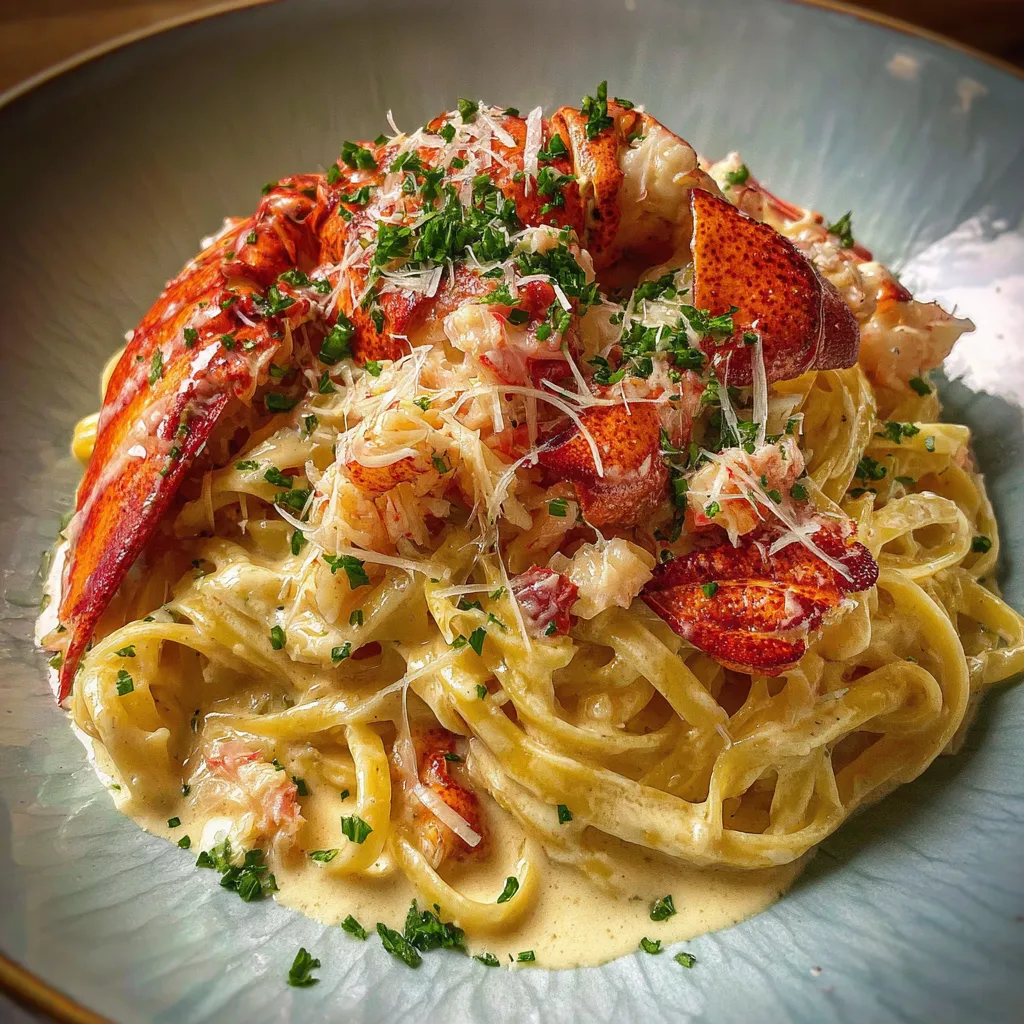

Gourmet Lobster Linguine with Champagne Cream Sauce
Description
Tender chunks of lobster mingle in a velvety cream sauce scented with bubbly champagne, bright lemon zest, and nutty Parmigiano, coating each strand of linguine for an elegant, restaurant-style feast.
Ingredients
Instructions
-
Prepare the lobster:
-
- If using whole cooked lobsters, place them on a cutting board. Twist off claws and knuckles, then the tail.
-
- Crack shells with a lobster cracker or the back of a heavy knife and gently remove the meat.
-
- Chop the lobster meat into bite-sized pieces. Keep some larger chunks from the claws for an elegant presentation.
-
- Pat dry with paper towels if very moist and set aside in a bowl, covered and refrigerated while you prepare the sauce.
-
Cook the linguine:
-
- Bring a large pot of well-salted water to a rolling boil (it should taste like the sea).
-
- Add the linguine, stir, and cook according to package directions until just al dente.
-
- Reserve about 1½ cups (360 ml) of the starchy pasta cooking water, then drain the pasta.
-
- Toss the drained pasta with a small drizzle of olive oil to prevent sticking and set aside.
-
Start the base of the sauce:
-
- In a large, wide sauté pan or skillet (large enough to hold the pasta and sauce), heat 2 tbsp butter and 2 tbsp olive oil over medium heat.
-
- Add the minced shallots and a pinch of salt. Sauté for 3–4 minutes, stirring frequently, until softened and translucent but not browned.
-
- Add the minced garlic and cook for 30–45 seconds, just until fragrant.
-
Deglaze with Champagne:
-
- Carefully pour in the Champagne, scraping up any flavorful bits from the bottom of the pan.
-
- Increase heat to medium-high and let the Champagne simmer briskly for 5–7 minutes, reducing by about half. The alcohol will mostly cook off, leaving a concentrated, slightly fruity, toasty flavor.
-
Add stock and cream:
-
- Reduce heat to medium and stir in the seafood or lobster stock, if using. Simmer for 2–3 minutes.
-
- Pour in the heavy cream, stirring to combine. Bring to a gentle simmer, not a hard boil, and cook for 4–6 minutes until the sauce thickens slightly and coats the back of a spoon.
-
Flavor the sauce:
-
- Stir in the Dijon mustard and crushed red pepper flakes (if using).
-
- Add the lemon zest and a small squeeze of lemon juice (start with 1 tbsp).
-
- Season with a small pinch of salt and a few grinds of black pepper. Remember the cheese and lobster will add saltiness, so season gently now.
-
- Taste the sauce; it should be rich, slightly tangy, and aromatic. Adjust seasoning with more lemon juice, salt, and pepper as needed.
-
Incorporate the cheese:
-
- Reduce heat to low.
-
- Gradually sprinkle in the grated Parmigiano-Reggiano while stirring constantly to help it melt smoothly into the sauce.
-
- If the sauce becomes too thick, add a splash of reserved pasta water to loosen it to a silky, pourable consistency.
-
Warm the lobster meat:
-
- Add the chopped lobster meat to the pan, reserving a few of the nicest claw pieces for garnish if desired.
-
- Gently fold the lobster into the sauce and let it warm through for 2–3 minutes over low heat. Do not boil, as lobster can toughen if overheated.
-
Marry the pasta and sauce:
-
- Add the cooked linguine to the pan with the sauce and lobster.
-
- Toss gently using tongs, coating every strand with the Champagne cream sauce.
-
- If the mixture seems dry or too thick, add hot reserved pasta water, a few tablespoons at a time, tossing until the sauce becomes glossy and clings luxuriously to the pasta.
-
- Sprinkle in the chopped parsley and chives, tossing again to distribute.
-
Optional sauce enrichment (restaurant-style finish):
-
- Turn the heat off.
-
- Add 1–2 tbsp of cold butter cubes to the pan.
-
- Swirl the pan or toss the pasta vigorously until the butter melts and emulsifies into the sauce, making it even silkier and more luxurious.
-
Final seasoning and balance:
-
- Taste the pasta and adjust seasoning: add more salt, pepper, or lemon juice as needed.
-
- If you prefer a slightly thinner, more flowing sauce, add another splash of reserved pasta water and toss briefly over low heat.
-
Plate the dish:
-
- Twirl portions of linguine into warm shallow bowls or plates.
-
- Spoon extra lobster pieces and sauce over the top of each serving.
-
- Garnish with reserved claw meat, if set aside, for a stunning presentation.
-
- Top with a sprinkle of freshly grated Parmigiano-Reggiano and a shower of chopped parsley and chives.
-
- Finish with a light drizzle of good extra-virgin olive oil, if desired, and serve immediately with lemon wedges on the side.
Note
- For the best flavor, choose a dry Brut Champagne or quality dry sparkling wine; avoid sweet varieties.
- You can substitute high-quality shrimp or scallops for part of the lobster or to stretch the dish for more guests.
- If using raw lobster, steam or boil just until opaque and tender, then chill briefly before shelling to keep the meat juicy.
- For a deeper seafood note, simmer lobster shells with a bit of butter, onion, and water for 20–30 minutes to create a quick homemade lobster stock.
- Do not over-reduce the sauce; it will thicken more after adding cheese and tossing with pasta.
- Warm your serving bowls before plating to keep the sauce silky and prevent it from thickening too quickly.
- Pair this dish with the same Champagne or sparkling wine used in the sauce for a harmonious, restaurant-quality experience.

